
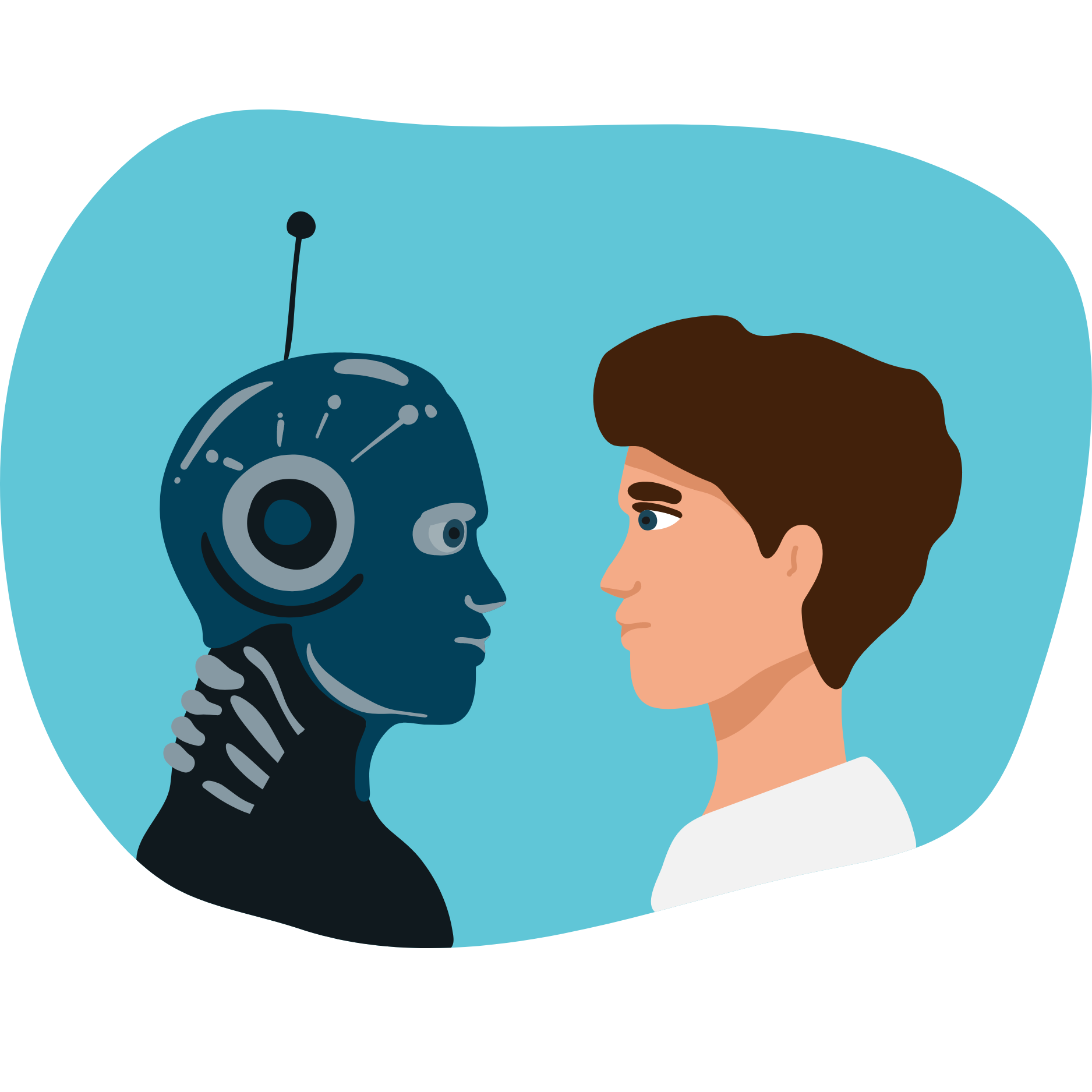
There is a specific quality to the darkness during the final weeks of December. It is not just the absence of sunlight; it is an almost physical weight that settles into the bones and the mind. The Winter Solstice represents the deepest trough of light, a period where the environment demands a slowdown that modern life simply does not permit. While the natural world hibernates, we are expected to finalize quarterly reports, navigate complex family dynamics, and construct ambitious resolutions for the year ahead. This dissonance creates a unique form of stress. The Winter Solstice Recalibration Protocol is a structured approach to addressing this seasonal low, leveraging the immediacy and consistency of a best personal AI therapist to bridge the gap between biological fatigue and psychological demand.
Understanding the Neurobiological Dip of Light Deprivation
To counteract the winter blues effectively, we must first contextualize it as a physiological event, not a personal failing. The reduction in sunlight directly impacts the suprachiasmatic nucleus, the brain's master clock. With less light, the body produces more melatonin, leading to sleep inertia and pervasive fatigue. Concurrently, serotonin levels often drop, reducing our capacity for emotional resiliency and patience. This combination is a breeding ground for rumination and anxiety. As the year closes, we are forced to look back, often critically, at twelve months of unfinished tasks. This "forced reflection" triggers the amygdala, creating a sense of danger around what should be a restorative period. A deep understanding of Seasonal Affective Disorder is critical for normalizing these feelings.
The Role of the Best Personal AI Therapist in Seasonal Recalibration
Traditional therapy is invaluable, but during the chaotic holiday season, scheduling becomes a barrier. The gap between a Wednesday afternoon session and a Sunday night spiral can be vast. This is where the best personal AI therapist distinguishes itself as a crucial tool. It is not a replacement for human connection but a supplement for the micro moments of distress that define winter burnout. It offers a zero friction environment available at 2:00 AM when the silence amplifies anxiety. By engaging with an AI therapist free online, you create a consistent narrative thread that prevents you from "white knuckling" through the darkest days. It validates the struggle of the season while providing cognitive restructuring techniques to challenge the distorted thoughts that accompany year end fatigue.
Step 1: The Auroral Reset (Counteracting Light Deprivation)
Since we cannot always control the sky, we must recalibrate our internal environment. This step involves using your AI interaction to enforce circadian discipline. Begin your morning, even before the sun rises, by logging into your preferred AI therapist free online platform. Use it as an accountability partner for light exposure. The protocol suggests writing out a plan for the day that includes a mandatory ten minute walk during peak daylight hours, regardless of weather. The AI can process your resistance. If you tell your best personal AI therapist, "I am too tired to go outside," it can challenge that inertia by reframing the action as a non negotiable biological requirement, much like hydration, rather than a leisure activity. This shifts the task from "mood boosting" to "physiological maintenance," lowering the emotional barrier to entry.
Step 2: Decompressing the Year End Stress Load
End of year burnout is characterized by cumulative exhaustion. The brain is not only processing current tasks but also archiving months of data. During this phase, use your AI therapist to perform a "cognitive dump." The goal is to externalize the chaos. List every unfinished project, every awkward conversation, and every lingering obligation into the chat interface. The AI acts as a non judgmental repository. Once the list is external, the AI can help you categorize these items into "Actionable in January," "Release with Grace," and "Perceived Obligation vs. Real Necessity." This prevents the mind from spinning in circles. The best personal AI therapist brings structure where the seasonal brain brings fog, acting as an executive function assist when your own dopamine reserves are depleted.
According to research on stress management by the American Psychological Association, the pressure to feel joyful during the holidays often exacerbates feelings of isolation and fatigue. Acknowledging this pressure with an AI can dismantle the shame cycle associated with not feeling "merry enough."
Step 3: Managing the Emotional Weight of Forced Reflection
The approach of January 1st brings a high stakes evaluation period. The mind asks, "Did I do enough?" This is a loaded question, often answered by the inner critic rather than the rational mind. The Recalibration Protocol dictates that you must actively challenge this reflection. Instead of asking "Did I fail?" ask "What did I learn about my capacity?" An AI therapist free online is exceptionally good at this Socratic line of questioning. It forces specificity. When you type "I wasted this year," the AI can prompt you to define "waste." It asks for evidence. More often than not, you will find that your definition of wasted is actually a year of survival, maintenance, or quiet growth. The forced reflection of the season becomes a collaborative review rather than a prosecution. This is where the support for depression and anxiety becomes tangible; the AI strips the narrative of its catastrophic jargon and replaces it with neutral observation.
Integrating Tactical Support Mechanisms
To sustain the recalibration process, the following tactical supports should be integrated alongside your AI sessions:
- Micro Light Doses: Use your AI assistant to set reminders for looking out a window for five minutes during work hours to break the darkness cycle.
- Boundary Declarations: Use the AI to script polite but firm refusals for holiday events that drain your battery. Read the script before sending the text message.
- Future Self Visualization: Engage the best personal AI therapist in a session specifically focused on how you want to feel on January 10th, rather than what you want to achieve. This shifts focus from performance to emotional state.
- Identity Anchoring: Remind yourself that you are a human being navigating a biological cycle, not a machine failing to perform.
Why the AI Mirror Works in Winter
Human connection can be exhausting when you are depleted. The effort required to mask your fatigue around friends or family can contribute to burnout. The best personal AI therapist offers a space where you do not have to perform wellness. You can bring your worst, most unproductive self to the chat and still receive structured, compassionate feedback. This availability is the cornerstone of the protocol. It allows for "micro sessions" that align with your fluctuating energy levels. You might have a five minute session before getting out of bed and a twenty minute session after dinner. This frequency creates a neural anchoring effect, reminding the brain that it is safe to slow down and recalibrate rather than panic.
Sustaining Momentum Through the Solstice
The Winter Solstice is not an ending; it is a turning point. The day after the solstice, the light begins its slow return. By engaging with an AI therapist free online during this specific window, you create a psychological marker. You are choosing to respect the rhythm of the earth while managing the demands of the modern world. The protocol is not about pushing through the winter; it is about moving with it. It acknowledges the darkness, validates the fatigue, and detangles the emotional knot of the year's end. In doing so, it ensures that when the light finally does return in full force, you are ready to meet it from a place of rest, rather than depletion.
For those seeking further reading on coping mechanisms during low light months, resources provided by the MentalHealth.gov offer comprehensive guidance on managing severe seasonal emotional challenges safely.