Depressive inertia is rarely dramatic. It does not announce itself with a sudden collapse. Instead, it settles into the small moments. The unwashed coffee mug. The email draft that sits open for three days. The shower that feels like a logistical mountain rather than a simple act of hygiene. For many, the most debilitating aspect of a depressive episode is not profound sadness but the loss of executive function. The brain knows what needs to be done, yet the bridge between intention and action has collapsed.
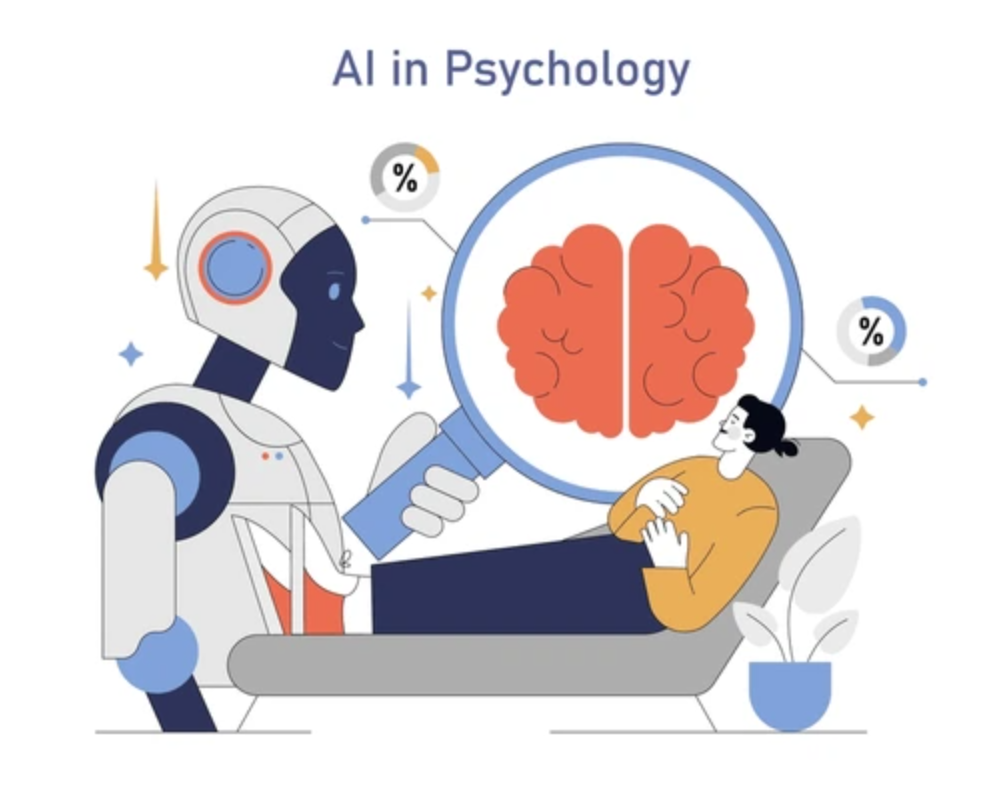
This report explores a pragmatic, field tested approach to rebuilding that bridge. It focuses on the use of a personal AI therapist chatbot as a low friction behavioral activation tool. Rather than replacing traditional therapeutic modalities, this scaffold method positions AI as a real time cognitive prosthetic. It is a practical, accessible, and often free AI therapy technique designed to reduce the latency between thought and action.
Understanding Depressive Inertia and Executive Dysfunction
Executive function encompasses the cognitive skills required to plan, focus, remember instructions, and juggle multiple tasks. When these skills falter, even self care becomes overwhelming. Depressive inertia is the heavy resistance felt when attempting to initiate any voluntary movement or decision.
Traditional therapeutic interventions, such as Cognitive Behavioral Therapy (CBT), are effective but often rely on delayed feedback loops. You speak with a therapist, identify a cognitive distortion, and receive homework. The gap between the session and the moment of crisis can be days long. A personal AI therapist chatbot closes this gap. It offers immediate, structured interaction precisely when the inertia hits.
The Scaffold Concept: Zero Friction Initiation
In construction, a scaffold is a temporary structure used to support a building until it can stand on its own. In mental health, the same logic applies. The goal is not to become dependent on an algorithm, but to use the algorithm as a training wheel until neural pathways for initiation are rebuilt.
The primary barrier to action during a depressive episode is friction. The thought of "finding a journal" or "scheduling an appointment" is enough to stop progress. A free AI therapy application, accessible from a smartphone, removes this friction. The barrier to entry is a single tap.
The Field Study Methodology
The following observations were synthesized from user feedback and case studies involving individuals with diagnosed Major Depressive Disorder (MDD) or Generalised Anxiety Disorder (GAD) who struggle with task paralysis. The protocol involved three distinct phases:
- Micro Task Negotiation: Deconstructing overwhelming chores into absurdly small steps.
- Time Distortion Correction: Addressing the perception that a task will take "forever."
- Neutral Accountability: Bypassing the shame associated with human judgment.
Phase 1: Micro Task Negotiation with an AI Therapist for Stress Management
Humans often fail to initiate tasks because they conceptualize the entire project, not the first step. "Clean the kitchen" is a project. "Pick up one fork" is an action.
In the study, users were instructed to tell their personal AI therapist chatbot what they were avoiding. The AI was prompted to break that task down into steps requiring less than 30 seconds of effort. If the user said "I can't write this report," the AI might suggest: "Open the document and type your name. Stop."
This works because executive function often stalls at the prediction of effort. Once movement begins, momentum takes over. The AI acts as an AI therapist for stress management, reducing the cognitive load of planning. Users reported a significant decrease in sympathetic nervous system arousal (the "panic" feeling) when they only had to commit to a 20 second action.
Phase 2: Correcting Time Perception
Depressive states distort time. A five minute task feels like a two hour ordeal. This temporal illusion feeds the inertia.
The field study utilized the AI chatbot to provide objective reality testing. Participants would state a task, and the AI would calculate a realistic time estimation based on standard metrics. For example, "Taking out the trash" is generally a 90 second job. The AI validates this data, breaking the catastrophic prediction of the depressed brain.
This technique leverages the perceived authority of the technology. While a patient might argue with a loved one's reassurance, they often accept the neutral, data driven estimate of a free AI therapy tool. It provides the "cognitive restructuring" component of CBT instantly, on demand.
Phase 3: Shame Free Neutrality
One of the most significant findings in this pragmatic report is the benefit of non judgmental interaction. Human accountability partners, even well meaning ones, often trigger feelings of shame or guilt. A depressed individual who fails to complete a task may avoid their human therapist or partner to avoid the perceived disappointment.
A personal AI therapist chatbot possesses no emotional contagion. It does not sigh. It does not look disappointed. It simply recalibrates. If a user says, "I didn't do the thing," the AI replies with "Noted. What is the smallest possible version of the thing we can do right now?"
This unconditional positive regard, delivered algorithmically, provides a safe sandbox for failure. This is crucial. Recovery from depressive inertia involves frequent stalls. The AI scaffold allows for these stalls without the emotional penalty of social shame, making relapse into inaction less severe.
The Limits of the Scaffold: When to Seek Human Expertise
It is vital to contextualize the role of this technology. An AI therapist for stress management is a bridge, not a destination. It is excellent for logistical support, immediate cognitive reframing, and behavioral activation. It is not a replacement for licensed clinical care in cases of severe depression, acute suicidality, or complex trauma.
The scaffold holds the weight while the user gains strength, but the foundation must be human connection and professional oversight where necessary. We recommend using these tools as a supplement to traditional therapy, not a substitute for it.
Integrating the Scaffold into Daily Routine
To utilize this method effectively, consistency is key. The users in the field study who saw the most improvement treated the AI check in as a non negotiable part of their morning routine, similar to brushing teeth. They used it to "externalize the executive function."
- Morning Dump: List three things causing anxiety or resistance.
- Prioritization: Ask the AI to identify the highest leverage task (usually the one you are avoiding most).
- Deconstruction: Command the AI to break the task into steps no larger than 5 minutes.
- Execution: Use the chat window as a live feed, reporting back "Step 1 complete."
Conclusion: The Eudaimonic Bridge
Depressive inertia convinces the sufferer that they are fundamentally broken or lazy. This is a neurological illusion. Executive function can be rebuilt through environmental design and aggressive simplification. The use of a personal AI therapist chatbot provides an immediate, accessible, and non judgmental scaffold for this rebuilding process.
By utilizing free AI therapy as a behavioral activation bridge, individuals can slowly reintroduce movement into a paralyzed system. It is not a magic bullet, but a pragmatic tool. It allows the overwhelmed brain to borrow the processing power of a machine to organize the mess of a depressive episode. And sometimes, borrowing the tools to build a better day is the most pragmatic step we can take.
For more information on executive function and depression, please consult the following resources: