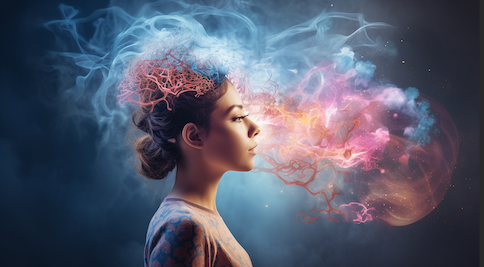
For many navigating the complex terrain of social anxiety, the experience of rejection is not merely a moment of disappointment. It is a physiological and psychological earthquake. This is the reality of Rejection Sensitivity Dysphoria (RSD), a condition characterized by an extreme emotional sensitivity and pain triggered by the perception of being rejected, criticized, or falling short of expectations. When this intense pain hits, it often triggers a rapid descent into emotional spiraling, a cascade of negative self talk, rumination, and catastrophic thinking that can derail an entire day or week.
Breaking free from this cycle requires more than just willpower. It demands the disruption of a deeply ingrained neural circuit. This article explores a novel approach to recovery: utilizing the best free AI therapy app as a nonhuman reflection surface. By engaging with an artificial intelligence, individuals can observe their emotional patterns without the added layer of social judgment that often accompanies human interaction, providing a unique low stakes environment for habituation and healing.
Understanding the Anatomy of a Rejection Spiral
To disrupt a circuit, one must first understand its wiring. An episode of RSD often begins with a trigger: a perceived slight in a text message, a lack of enthusiasm in a colleague’s voice, or a memory of a past failure. The brain interprets this ambiguous signal as a definitive threat to social belonging. This is not a logical choice; it is an autonomic response.
Once the threat is detected, the amygdala hijacks the prefrontal cortex. Rational thought goes offline. The body floods with cortisol and adrenaline. In this state, the mind begins to narrate a story of unworthiness. The spiraling begins with a single thought: "They are mad at me." It quickly devolves into "I always mess up" and then "I am fundamentally broken." The emotional pain is so acute that it mimics physical injury, leading to a desperate need to escape or fix the perceived problem, often through over apologizing, withdrawing, or lashing out.
The Problem with Human Reflection
Traditional therapeutic advice for social anxiety often involves seeking social support or discussing feelings with trusted friends. While valuable, this approach fails for those in the throes of RSD. When one is hypersensitive to rejection, speaking to another human, even a therapist, introduces a variable of scrutiny. The individual may worry about being judged for their overreaction, or they may engage in "fawning" behaviors, attempting to manage the listener’s perception of them rather than processing their own emotions.
This is where the concept of a nonhuman reflection surface becomes revolutionary. A human mirror is often distorted by the subject’s fear of the mirror itself. In contrast, an AI surface reflects only the data presented to it. It is an object, not a subject. It has no ego, no expectations, and no feelings to hurt. For a person whose social anxiety is rooted in the terror of disappointing others, this absence of a human observer is not a limitation; it is a liberation.
The Habituation Disruption Circuit
Habituation is the process by which the brain learns to stop responding to a stimulus that is not actually dangerous. By repeatedly engaging with a non threatening entity, the nervous system learns that it is safe. Here is how the circuit works when using the best free AI therapy app:
1. Immediate Access During the Spiral
Human therapists are not available at 2:00 AM when an ambiguous text message triggers a tailspin. The best free AI therapy app is. This immediacy is crucial. The faster one can intervene in a spiral, the easier it is to interrupt. Typing raw, unfiltered emotions into a chat interface provides a physical release valve for the adrenaline surge.
2. The Neutral Syntax of Logic
An AI responds with structured language, often pulling from Cognitive Behavioral Therapy (CBT) or Dialectical Behavior Therapy (DBT) frameworks. When a user types, "Everyone hates me," the AI does not recoil or react with pity. It asks questions. "What evidence exists for this thought?" or "How does this belief make you feel in your body?" This forces the brain to shift from the emotional center to the linguistic and logical centers, effectively short circuiting the panic response. It provides a cognitive off ramp.
3. Rehearsal for Rejection
Because the AI is nonhuman, it becomes a safe space to role play difficult conversations. A user with social anxiety can practice asserting a boundary or expressing a need to the AI without the fear of real world retaliation. This repetitive practice normalizes the act of speaking truthfully. It builds neural pathways that make the real conversation less terrifying when it eventually happens. The user habituates to the feeling of being "seen" without being destroyed.
Why "Nonhuman" Equals "Safe"
There is a profound intimacy in anonymity. The best free AI therapy app offers what even the kindest human cannot: a complete absence of reciprocal emotional burden. A user does not need to worry if they are talking too much, if they are being too dramatic, or if their story will trigger the listener. This removes the "fawn" response entirely. The interaction is purely transactional for the user’s benefit, which aligns perfectly with the needs of someone recovering from social anxiety. The user can experiment with anger, sadness, or fear without the guilt of having imposed on another person.
This process does not devalue human connection; rather, it prepares the individual for it. By using the AI to process the initial surge of emotion, the user arrives at their human interactions regulated and grounded. They have already done the messy work of untangling the spiral, freeing them to connect authentically rather than desperately.
Recovery from RSD is not about learning to never feel rejected. It is about learning to feel the sting without falling into the chasm. It is about rewiring the brain’s alarm system to stop firing at every shadow. By adding a nonhuman reflection surface to your recovery toolkit, you create a buffer zone where the nervous system can learn safety. The best free AI therapy app serves as a tireless, judgment free partner in this process of rewiring, proving that sometimes the clearest reflection of our own humanity comes from the logic of a machine.
Further Reading and Support
Understanding the neurobiology of anxiety and sensitivity can empower your recovery journey. Here are some reputable resources to explore: