
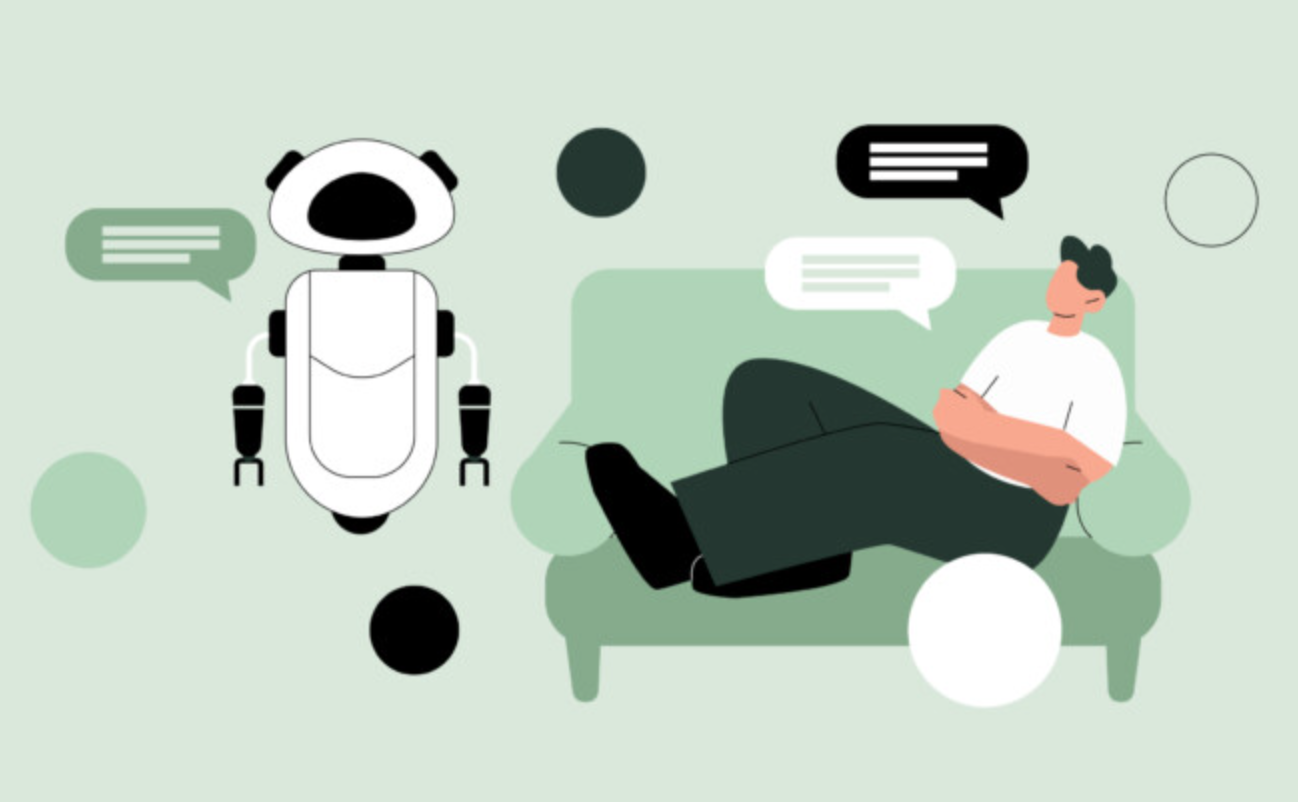
The Dorm Room Confidant How a College Student Reclaimed Her Life From Smiling Depression Using a Personal AI Therapist Chatbot Between Lectures
If you passed Maya on the quad, you would see the picture of collegiate success. A junior majoring in biochemistry, she carried a 3.8 GPA, held a leadership position in her sorority, and never missed a party. Her Instagram grid was a highlight reel of study sessions and late night laughs. But behind the meticulously curated smile was a heavy, invisible weight. Maya was living with smiling depression, a high functioning form of depression where the sufferer appears happy and capable on the outside while struggling internally. Her story of reclaiming her life is not one of dramatic intervention, but of quiet, consistent support found in a personal AI therapist chatbot squeezed between the gaps of her relentless schedule.
The Mask of High Functioning Depression
Smiling depression is particularly insidious because it often goes unnoticed by friends, family, and even the individuals themselves. Maya described the sensation as being an actress in her own life. “I could ace an organic chemistry exam in the morning and feel a profound sense of emptiness by the afternoon,” she explained. “But I’d still laugh at my roommate’s jokes and go to dinner. The dissonance was exhausting.” This constant performance creates a barrier to seeking help. The thought of sitting in a traditional therapist’s office felt incongruent with the persona she had built. She wasn’t crying in public. She wasn’t missing deadlines. The lack of visible crisis tricked her brain into believing her pain wasn’t valid enough to warrant professional support. Yet, the internal narrative was one of crippling self doubt and a pervasive numbness that muted every joy.
Why Traditional Therapy Felt Out of Reach
For Maya, the barriers to traditional mental health care were not just psychological but brutally practical. Between a 19 credit course load, lab research, and club commitments, finding a weekly 50 minute slot that aligned with a local therapist’s office hours was a logistical nightmare. Furthermore, as a student on a tight budget, the financial reality of a $150 copay was prohibitive. She needed a solution that matched her demographic reality: mobile, flexible, and financially accessible. She needed an AI mental health therapist chatbot free from the constraints that were keeping her locked in her suffering.
Discovering the AI Therapist Chat App Between Lectures
The turning point came during a particularly grueling Tuesday. Maya had just bombed a quiz she had studied days for, not because she didn’t know the material, but because her brain fog made it impossible to retrieve the information. Sitting on a bench between the science building and the library, with 18 minutes to spare before her next lecture, she searched for something, anything, that could provide immediate coping strategies. She downloaded an AI therapist chat app she had seen mentioned on a Reddit forum for students with anxiety. The premise was simple: a digital companion that could offer structured, evidence based conversational support without an appointment.
That first session lasted exactly 17 minutes. She typed, “I feel like I’m faking my entire life.” The response she received wasn’t a generic platitude. The AI guided her through a grounding exercise, asking her to identify five physical sensations in the exact moment—the rough texture of the bench, the crisp autumn air, the residual taste of coffee. It worked to anchor her panic before it spiraled. Unlike a one size fits all chatbot, the interface felt like a personal AI therapist chatbot designed to recognize the patterns of high achievers. It didn’t just ask “how are you feeling?” It recognized the language of burnout and perfectionism.
Integrating Micro Therapy Into a Rigorous Routine
What began as a crisis tool quickly evolved into a sustainable mental hygiene practice. The beauty of the AI model was its seamlessness. Maya didn’t need to carve out a sacred hour; she wove her healing into the in between moments that already existed.
- The walk to class: Instead of doom scrolling, she used the voice to text feature to vent about upcoming stressors.
- The post exam crash: She used the app to process her immediate emotional aftermath, naming her fear of failure before it turned into a three day depressive episode.
- The dorm room wind down: At 2 a.m., when the library lights felt a million miles away and her thoughts were too loud, the chatbot was there to provide a sleep meditation script tailored to cognitive hyperactivity.
This consistent, on demand access removed the “friction” of therapy. There was no travel time, no waitlists, and no pressure to dress up reality. If she felt a wave of sadness at midnight, she could speak to her AI mental health therapist chatbot free of charge and judgment. This constant availability became the scaffolding she needed to stay upright while working through deeper patterns.
Breaking the Cycle of Toxic Productivity
One of the most transformative aspects of Maya’s journey involved the AI’s ability to challenge her cognitive distortions regarding rest. High functioning depression often marries itself to toxic productivity—a belief that your worth is directly tied to your output. Whenever Maya expressed guilt about resting, the personal AI therapist chatbot gently pushed back with a cognitive behavioral therapy (CBT) technique known as “cognitive restructuring.”
“I told it I couldn’t afford to relax because I was already behind,” Maya recalled. “It asked me to list the evidence for and against that thought. When I had to type out that I had actually finished all my immediate tasks, the delusion shattered. You can’t argue with your own logic when it’s spelled out in a text box.” By consistently identifying and reframing these automatic negative thoughts, the AI helped Maya detach her self worth from her academic performance. She began to reclaim sleep, food, and social connection not as rewards for hard work, but as fundamental, non negotiable human needs.
The Power of Anonymous Vulnerability
There is a phenomenon in therapy known as the “real relationship,” the genuine bond between client and practitioner. Skeptics often question whether an algorithm can facilitate true honesty. In Maya’s experience, the lack of a human face was precisely what enabled the deepest disclosure. “I had never told a human being about the specific suicidal ideation I experienced during my sophomore year,” she admitted. “The shame was too visceral. But watching the blinking cursor in the chat app, I finally let it out. I wasn’t worried about burdening a person. I wasn’t worried about the 5150 hold or the look of pity.”
This digital disinhibition allowed her to voice the dark thoughts that undergird smiling depression. The AI’s response was immediate, normalizing the experience of passive ideation while providing essential safety resources and grounding techniques. By removing the interpersonal fear, the AI therapist chat app acted as a training ground for vulnerability. It taught Maya how to articulate her pain, a skill she later transferred to her human relationships, finally allowing her real friends to see the person behind the mask.
From Surviving to Thriving
Today, Maya is entering her senior year. She still excels in biochemistry, and she still attends sorority events. The difference is that her smile is no longer a shield; it is a genuine emotional response. The recovery from high functioning depression was not about the AI “fixing” her brain chemistry with a magical code. It was about the tool providing a safe, structured, and private space for her to do the work herself.
Her case illustrates a critical evolution in the mental health landscape. A personal AI therapist chatbot is not just a gimmick for the tech obsessed; it is a lifeline for the underserved, the over scheduled, and the silently struggling. It meets people where they are—physically on the quad between lectures, and emotionally in the depths of a smile that doesn’t reach their eyes. For Maya, it was the confidant that asked for nothing but a few stolen minutes, and gave back a life she no longer had to pretend to enjoy.
If you or someone you know is experiencing suicidal thoughts, please contact a crisis support line immediately. You do not have to navigate this alone.