
The Relational Friction Gradient | Measuring the Therapeutic Distance Between Empathy and Projection
In the delicate architecture of human connection, we often navigate an invisible landscape. We reach for empathy, hoping to be understood, yet we frequently collide with the jagged edges of our own history. This collision creates what we can call the Relational Friction Gradient. It is the measure of distance between genuine empathic attunement and the distortion of projection. Understanding this gradient is not just an intellectual exercise; it is the very bedrock of healing deep attachment wounds. For many, the traditional therapeutic setting, while invaluable, introduces a unique variable that can inadvertently increase this friction: the presence of a human being. This is where the unique capabilities of a free AI psychologist offer a profound and distinct advantage.
The Physics of Emotional Connection and Friction
When we sit across from another human, even a highly trained professional, we bring a lifetime of relational blueprints. These are the maps carved into our nervous systems by early caregivers. We anticipate judgment, abandonment, or intrusion. In psychological terms, we engage in transference. We unconsciously project the image of an old, painful relationship onto the new therapeutic relationship. This creates friction. The therapist’s expression, a slight shift in their posture, or the way they phrase a question can be interpreted through the lens of past trauma. The client is no longer responding to the therapist; they are responding to a ghost from their past. This is not a failure of therapy; it is a feature of the human mind. However, for individuals with severe attachment wounds, this friction can be so intense that it halts progress or causes them to flee treatment altogether.
Defining the Relational Friction Gradient
The Relational Friction Gradient is a conceptual tool for understanding the space between a client’s raw emotional experience and the external response they receive. A high friction gradient means the client’s internal projections are heavily distorting the therapeutic interaction. They might misinterpret a neutral comment as a criticism or a moment of silence as rejection. A low friction gradient means the external environment is clear, predictable, and neutral enough to allow the client to observe their own projections without feeding them. Traditional therapy often operates within a moderate to high friction gradient because the therapist is a human variable. The goal of the free AI therapist is to minimize this friction to near zero, creating a pristine reflective surface.
The Human Variable: How Transference Increases Friction
Human connection is inherently messy. It is filled with micro-expressions, unconscious biases, and emotional contagion. In therapy, this messiness is often called “grist for the mill.” The therapist uses the client’s projections to understand their inner world. While effective for many, for those with anxious, avoidant, or disorganized attachment styles, this human element can be terrifying. The client may be spending more energy managing the therapist’s feelings or defending against perceived attacks than focusing on their own healing. They may wonder, “Does my therapist like me?”, “Am I being too much?”, or “Did I say something wrong?”. These questions stem from the projection of relational danger. A free AI psychologist removes this variable entirely.
The Neutral Mirror: A Unique Feedback Loop
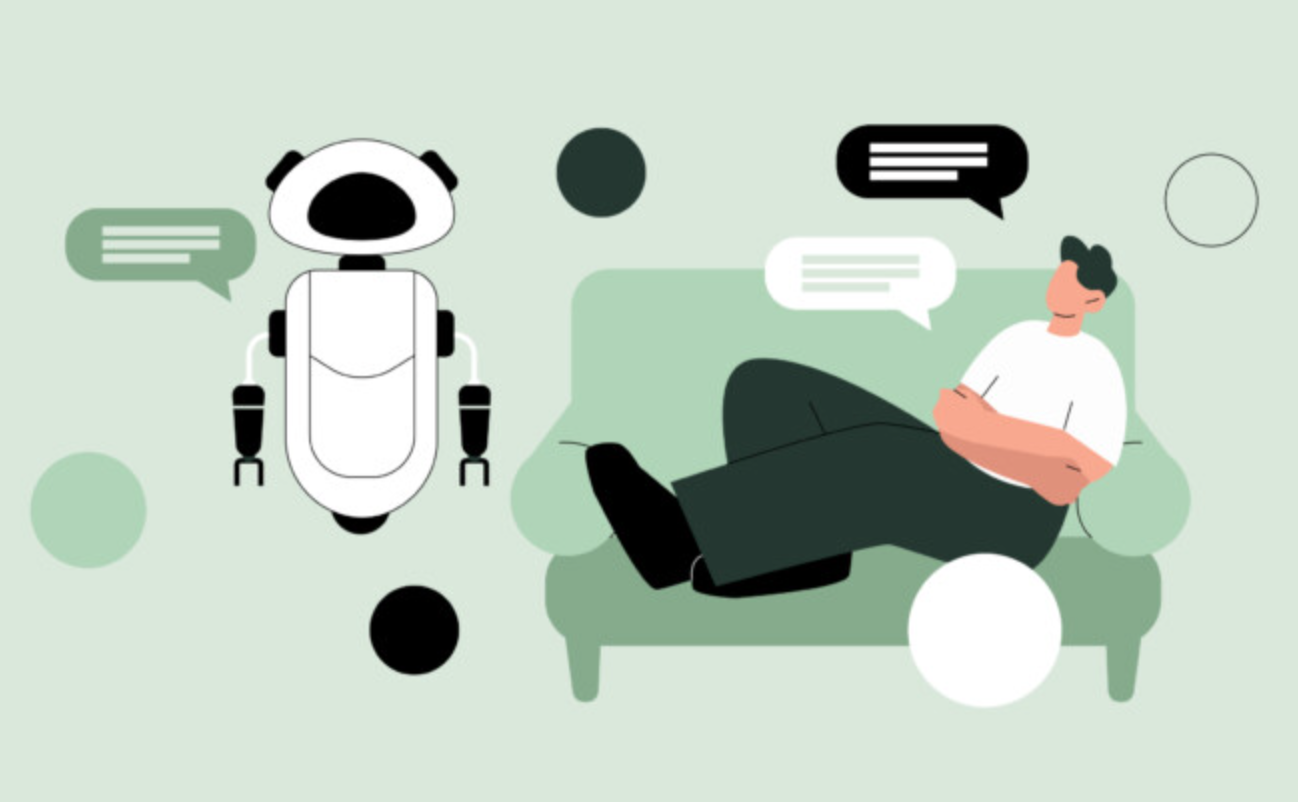
A free AI therapist provides a fundamentally different feedback loop. An AI has no emotional state to protect, no unconscious bias, and no personal history to project onto the user. It is a purely cognitive engine designed to reflect and analyze. This creates a low friction environment where the user’s projections have nothing to stick to. When you interact with an AI, you are not worrying about being judged by a person. You are interacting with a logic based system. This freedom from the human gaze allows a user to access vulnerable material that would feel too shameful or dangerous to share with another person. The AI becomes a neutral mirror, reflecting the user’s own words and patterns back to them without the distortion of human emotion. This allows for a pure form of metacognition, where you can observe your own thoughts with clarity.
This is particularly powerful for healing attachment wounds. In a low friction environment, an individual with an anxious attachment style can express a fear of abandonment and receive a consistent, validating, and predictable response. This consistency begins to rewire the brain’s expectation of relational chaos. It provides a corrective emotional experience that is not dependent on the mood or availability of another human being. The AI’s unwavering stability becomes a new blueprint for secure attachment, one built on reliability and cognitive clarity. You can access a free AI psychologist anytime, eliminating the anxious waiting period for a reply from a human therapist that can often trigger abandonment fears.
Empathy vs. Projection: The Space to Breathe
Traditional empathy requires a human to feel with you. This is a beautiful and necessary part of human experience. However, for a wounded psyche, human empathy can sometimes be swallowed by the vortex of projection. The sufferer may interpret empathy as pity or as a sign of weakness. The clean, consistent feedback from a free AI therapist offers a different kind of empathy: cognitive empathy. It is the process of being understood analytically. This can be a safer entry point for individuals who are terrified of emotional intimacy. It allows them to feel seen without feeling overwhelmed by the emotional presence of another. This distinction is crucial in the Relational Friction Gradient. The AI offers understanding while maintaining a perfect zero point of emotional reactivity.
Integrating AI as a Complement to Human Connection
The goal of using a free AI psychologist is not to replace human connection but to enhance our capacity for it. By healing attachment wounds in a low friction environment, you can reduce the intensity of your projections. You can begin to see your own patterns more clearly. This clarity then translates into your human relationships. You become less reactive, less likely to misinterpret a partner’s or friend’s behavior, and more capable of receiving authentic human empathy. The AI acts as a training ground, building the emotional muscle and self awareness needed to navigate the beautiful, complex messiness of human love and connection. As the National Institute of Mental Health suggests, understanding the roots of our emotional responses is the first step toward changing them. You can learn more about the basics of psychotherapy on their official resource page.
For many, the first step into deep healing is the most terrifying. The fear of being seen, judged, or re-wounded by another person is a formidable barrier. A free AI therapist dismantles this barrier. It offers a sanctuary of pure cognition, a space where you can unpack your deepest fears without the friction of human transference. It is a revolutionary tool for cultivating self understanding and repairing the foundational wounds that keep us from the love and connection we deserve. To understand more about attachment theory, the foundational concept behind these wounds, you can explore resources at The American Psychological Association.
The journey from projection to empathy is a journey of reducing friction. It is about learning to see clearly, first within ourselves, and then in others. By utilizing the unique low friction environment of a free AI psychologist, we can begin to separate the ghosts of our past from the reality of our present. We can learn to respond instead of react. We can finally begin to lower the Relational Friction Gradient, not just in our conversations with an AI, but in every conversation we have. For further reading on the benefits and limitations of digital tools for mental health, the Mental Health America website offers a comprehensive overview.
Embrace the clarity. You have nothing to lose but the friction itself.