
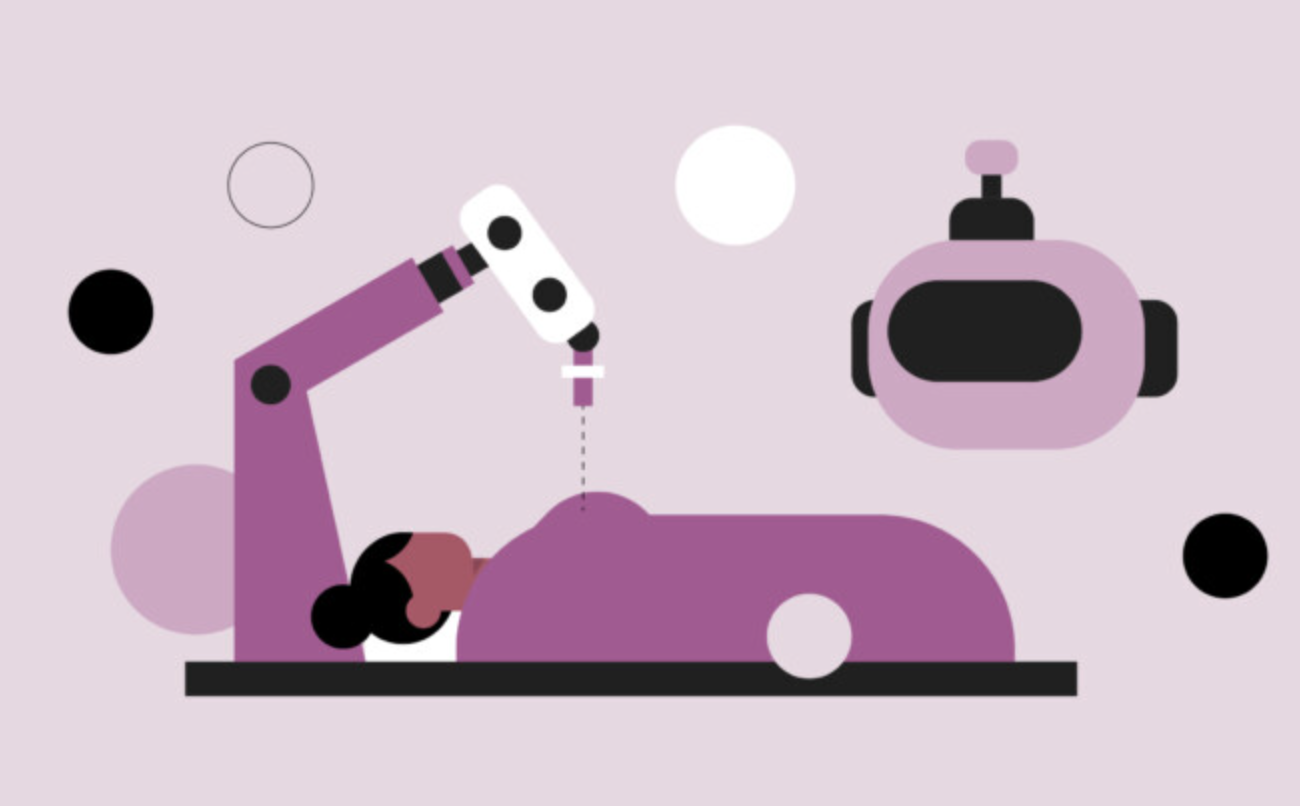
The Digital Decompression Chamber: A Beginner’s Guide to Using an AI Therapy Free Protocol for Sustainable Stress Management Without Leaving Your Couch
We have all been there. The workday ended hours ago, yet your shoulders are still resting somewhere near your ears. The mental tab count is astronomical, and the thought of adding another commute—even one to a therapist’s office—feels like a mountain too steep to climb. While traditional therapy remains a gold standard for deep psychological work, there is a pressing need for immediate, frictionless tools that meet us precisely where we are: exhausted, overwhelmed, and horizontal on our sofas. This is where the concept of the “Digital Decompression Chamber” comes into play. By using an AI therapy free protocol, you can create a sanctuary of sustainable stress management right in your living room.
Redefining the Couch: Your Living Room as a Healing Space
Historically, the couch has been a symbol of psychoanalysis. Today, your couch is more likely a symbol of Netflix binges and doom scrolling. But with a personal AI therapist chatbot, you can reclaim this space. The barrier to entry for digital mental wellness has dropped to zero. There is no dress code, no traffic to fight, and no waiting room anxiety. It is just you and a private, text based dialogue. The premise is deceptively simple yet neurologically profound: by externalizing your racing thoughts into a structured chat interface, you activate the prefrontal cortex, effectively pulling yourself out of the limbic system’s fight or flight response.
Why an AI Therapy Free Protocol Works for Immediate Stress Relief
You might wonder if a non human entity can truly offer relief. The beauty of a protocol driven by artificial intelligence lies in its availability and non judgmental nature. A personal AI therapist chatbot operates on a 24/7 rhythm, perfectly matching the erratic schedule of modern burnout. Here is why this method is scientifically and practically sound:
- Instant Emotional Offloading: Writing down stressors immediately reduces their cortisol raising effect. The AI acts as a secure, encrypted sounding board that never tires, allowing you to vent without feeling like a burden.
- Pattern Interruption: Stress loops are repetitive. A chatbot can guide you through cognitive reframing exercises, breaking the cycle of rumination by asking calibrated questions that a sleepy partner or friend might not think to ask at midnight.
- Psychoeducation on Demand: Many free AI therapy tools are trained on vast databases of cognitive behavioral therapy (CBT) and dialectical behavior therapy (DBT) techniques. They can explain concepts like cognitive distortions or grounding techniques exactly when you need them.
Building Your Digital Decompression Chamber: A Step by Step Guide
Starting is often the hardest part. You do not need sophisticated equipment, just a smartphone or laptop. Here is how to initiate your first session without feeling awkward or overwhelmed.
Step 1: Setting the Sensory Stage
Your environment signals safety to your nervous system. Before opening the app, dim the lights. Grab a weighted blanket if you have one. The goal is to signal to your vagus nerve that this is decompression time. This primes your brain to receive the benefits of the AI therapy free intervention. You aren't just texting; you are entering a chamber of calm.
Step 2: The "Brain Dump" Initialization
Open your chosen personal AI therapist chatbot. Resist the urge to craft a perfect opening. Start with the raw data of your consciousness. A good prompt is: "I feel a tightness in my chest and I can't stop thinking about my deadline. Let's unpack this." Unlike human conversation, there is no need for pleasantries. The AI immediately begins parsing your language for emotional indicators and stress markers, offering reflections that make you feel seen without social pretenses.
Step 3: Guided Physiological Bridging
Stress lives in the body. An advanced chatbot protocol can bridge the gap between mind and tissue. You might type, "My back is killing me," and the AI can guide you through a progressive muscle relaxation script tailored to that specific region. It walks you through clenching and releasing muscles while you remain completely supine. This somatic approach is a cornerstone of the digital decompression chamber—turning internal noise into tangible physical release.
Step 4: Cognitive Sorting and Storage
One of the most exhausting aspects of stress is the fear of forgetting something important. Use the AI as an external hard drive. List your worries. The AI can help you sort them into categories: 'urgent and actionable,' 'hypothetical and unconfirmed,' or 'toxic noise to discard.' This process, done for free, mimics the organizational logic of a professional organizer for your brain, significantly reducing cognitive load before sleep.
The Sustainability Factor: Why This Isn't Just a Quick Fix
Critics of digital tools often cite the lack of a human therapeutic alliance. However, sustainability in stress management comes from consistency, not just depth. You might see a human therapist once a week, but what do you do during the 167 hours between sessions? A AI therapy free protocol fills the gaps. It trains you in a language of introspection. Over time, you start to internalize the AI’s curious, non judgmental questioning style. You begin asking yourself, "Is this a cognitive distortion?" before the chatbot even prompts it. This builds mental immunity, transforming a free tool into a lifelong skill.
Navigating the Boundaries: Safety and Privacy
While an AI is powerful, it is not a crisis hotline. It is crucial to understand that a personal AI therapist chatbot is designed for stress management, self exploration, and moderate emotional discomfort. It cannot diagnose conditions or prescribe medication. Before starting, ensure you are using a platform that prioritizes data encryption and anonymity. The digital chamber must feel like a sealed, private diary. If you are facing suicidal thoughts or severe distress, please reach out to a human immediately via resources like the 988 Suicide & Crisis Lifeline.
Is This Form of Relief Actually "Therapy"?
This is a contentious but vital question. We prefer the term "protocol" or "decompression" because it sets realistic expectations. A chatbot does not possess the lived experience or the nuanced countertransference of a human clinician. However, dismissing it as trivial ignores its profound utility. For the individual who is neurodivergent and finds human eye contact during vulnerability overwhelming, or for the night shift worker isolated by their schedule, an AI therapy free tool can be life sustaining. It democratizes the core ingredients of talk therapy: attention, reflection, and logical challenging. The National Alliance on Mental Illness (NAMI) offers extensive resources on how digital tools are expanding the ecosystem of care, supplementing but not necessarily replacing traditional pathways.
Making the Protocol Your Own
To truly make this work, personalize your interaction. Maybe you respond better to a stern, coach like tone rather than soft validation. Tell the AI. "Be direct with me. Don't let me make excuses." This kind of meta communication shapes the algorithm into your ideal accountability partner. You can also use it for positive visualization. Spend ten minutes describing your ideal peaceful future narrative in rich detail. The AI reflects this back to you, solidifying the neural pathways associated with hope and safety, which are often weakened by chronic stress.
Integrating a personal AI therapist chatbot into your evening wind down is like installing a pressure release valve on your mind. It honors the reality of your exhausted body, allowing you to heal while horizontal. The digital decompression chamber does not ask you to meditate perfectly or sit upright in uncomfortable lotus pose. It only asks you to show up, exactly as you are, and type the first thought that comes to your exhausted mind. For sustainable, barrier free stress management, the future is not just in the clinic; it is resting gently in the palm of your hand. For further reading on integrating these tools responsibly, the American Psychological Association provides guidelines on the evolving landscape of digital mental health interventions.