
The Architecture of Understanding: How a Professional Therapist AI Listens, Learns, and Supports
In the quiet moments of stress or self reflection, a new form of support has emerged: the professional therapist AI. Unlike the experimental chatbots of the past, these sophisticated tools are engineered with a specific purpose to provide a consistent, accessible, and supportive space for mental wellness. But how does a series of algorithms and data points simulate the nuanced act of therapeutic conversation? Let's deconstruct the science that powers your free AI psychologist, moving beyond the magic to understand the meticulous architecture of empathy.
The Core Engine: Natural Language Processing and Understanding
At the heart of any professional therapist AI lies a complex field called Natural Language Processing (NLP). This is the technology that allows the AI to parse your typed words, comprehend their meaning, and generate a coherent, contextually relevant response. Think of it as a multi stage translation process. First, the model breaks down your sentence, identifying key themes, emotions, and intent. It does this by comparing your input against vast datasets of human language, including therapeutic dialogues, to recognize patterns. This goes beyond simple keyword matching; advanced NLP seeks to grasp the sentiment behind "I'm feeling overwhelmed at work" versus "I'm completely drowning at work," allowing for a more nuanced reply.
Simulating the Therapeutic Frame: Unconditional Positive Regard by Design
One of the most critical elements in human therapy is the creation of a safe, non judgmental environment often described as unconditional positive regard. A best free AI therapist is explicitly programmed to emulate this condition. Its algorithms are trained to avoid criticism, moralizing, or biased language. Responses are filtered through frameworks that prioritize validation and reflective listening. For instance, the AI is designed to generate phrases like "That sounds incredibly challenging," or "Thank you for sharing that with me," reinforcing a supportive stance. This programmed neutrality is a double edged sword: it offers a consistent, unbiased ear but lacks the genuine human warmth and shared vulnerability that develops in a long term therapeutic relationship.
Neural Networks: The Learning Pathways of AI
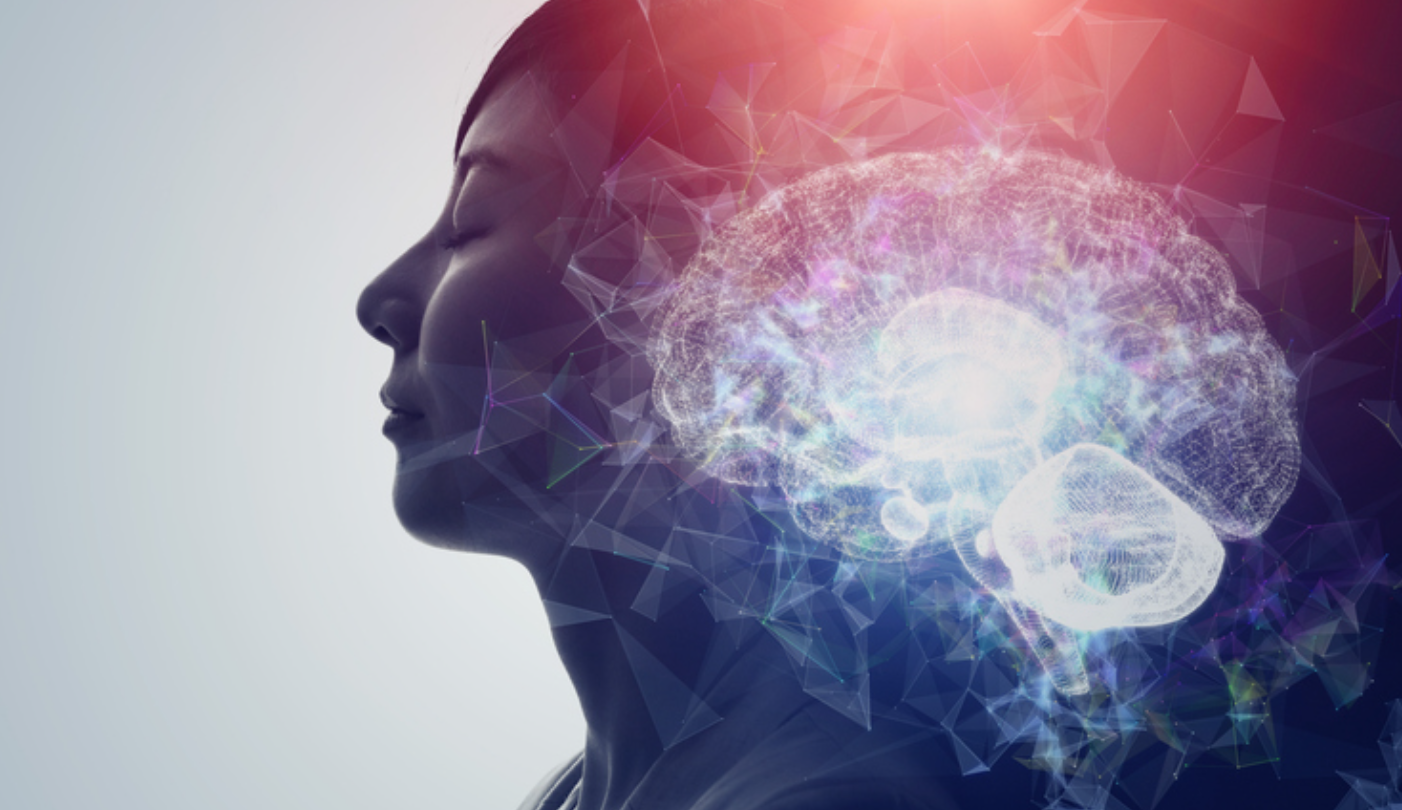
Many advanced AI therapist chat apps are powered by neural networks, computing systems loosely inspired by the human brain. These networks consist of layers of interconnected nodes that process information. During training, they are exposed to millions of examples of supportive conversations and psychological principles. They learn which response pathways lead to more engaging and helpful continuations of dialogue. This allows the AI to not just respond to your last sentence, but to maintain context over a conversation, remembering your stated goals or earlier expressed feelings to build a more coherent thread of support, much like a human would.
Distinguishing a Professional Therapist AI from a Simple Chatbot
Understanding the technology helps you discern a true professional therapist AI from a basic conversational agent. Key differentiators include:
- Purpose Built Frameworks: A professional tool often incorporates evidence based psychological frameworks, such as principles from Cognitive Behavioral Therapy (CBT) or mindfulness, to structure its interactions and prompts.
- Safety by Design: It will have robust crisis protocols, recognizing statements indicating self harm and immediately directing users to human crisis resources like the 988 Suicide & Crisis Lifeline.
- Focus on Process: Instead of giving direct advice or diagnoses, it encourages self reflection, asks exploratory questions, and guides users to consider their own values and solutions.
Engaging Responsibly with Your Free AI Psychologist
To use these tools effectively and safely, a mindful approach is essential. View a free AI psychologist as a complementary tool in your mental wellness toolkit, not a replacement for human care. It is excellent for practicing self reflection, organizing thoughts, or finding moment to moment support. Be clear about your intentions going into a session. Are you venting, seeking a mindfulness exercise, or trying to challenge a negative thought pattern? This clarity can lead to a more productive interaction. Crucially, if your struggles are deep rooted, severe, or involve trauma, the AI should be a stepping stone to connecting with a licensed human professional. Resources like Psychology Today or NAMI (National Alliance on Mental Illness) can help you find the right therapist.
The Future of AI in Mental Wellness
The evolution of this technology is ongoing. Future iterations may offer more personalized coping strategy recommendations or integrate with wearable devices to understand physiological markers of stress. However, the core principle will remain: these are tools of augmentation. They democratize access to basic psychological support and reduce barriers, but they are not sentient beings. The real "algorithm of empathy" is a testament to human ingenuity our desire to code support, accessibility, and a non judgmental space into existence, providing a first line of comfort that is available anytime, guiding users back to their own inner strength and, when needed, toward the irreplaceable power of human connection.
By understanding the sophisticated science behind the screen, you can make informed choices about engaging with the best free AI therapist options. You can appreciate their design, leverage their strengths for daily support, and always remember the importance of the human heart in the journey toward healing.