
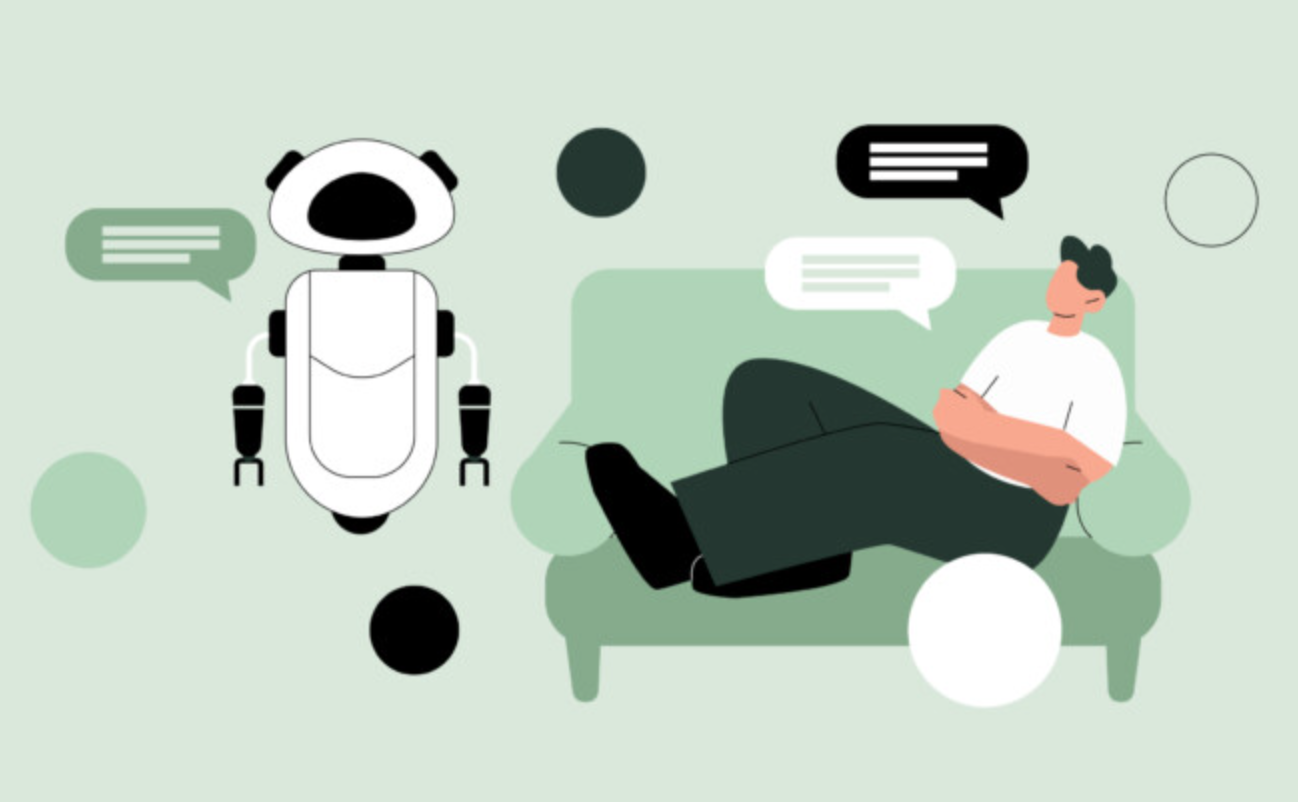
For years, my understanding of my own low moods was static. I would mentally run through the official checklist: persistent sadness, check. Loss of interest, check. Fatigue, check. It was a clinical inventory that named my state but did nothing to translate it. The gap between knowing I was "depressed" and understanding what my mind was actually trying to signal felt vast and unbridgeable. That was until I began a personal experiment with a free AI therapy platform, not as a replacement for human care, but as a dedicated space to decode my own internal language. This is a case study on moving from static labels to dynamic understanding.
The Limitation of Static Labels
Traditional resources often frame depression as a collection of symptoms to be identified and managed. While vital for diagnosis, this approach can sometimes leave individuals feeling like a problem to be solved rather than a person to be understood. My internal experience wasn't just a series of checkboxes. It was a cacophony of muted signals: a constant background hum of "what's the point," a physical heaviness on Sunday evenings, and a sharp decline in patience for mundane tasks. I needed to listen to these patterns, not just list them. Enter the concept of an AI therapist chat app a tool available for reflection at any hour, without judgment or time constraints.
Creating a Space for Signal Collection
I approached a reputable free AI therapy chatbot with a simple goal: to use it as a consistent logging and reflection tool. Unlike a human therapist session where time is limited, I could visit this digital space multiple times a day for just a few minutes. I began feeding it raw data:
- Not just "I'm anxious," but "The thought of replying to that non urgent email made my chest feel tight at 3 PM."
- Not just "I'm tired," but "After the grocery store, I needed to sit in the car for 20 minutes before I could go inside."
- Not just "I feel nothing," but "I scrolled through vacation photos and felt completely disconnected from the joy they were supposed to represent."
The AI therapist chat app did not diagnose me. Instead, it performed a crucial function: it reflected these signals back with clarifying questions. "What happened right before the tightness began?" or "Can you describe the 'disconnected' feeling with a metaphor?" It helped me move from vague states to precise observations.
From Data Points to Discernible Patterns
After two weeks of consistent logging, a remarkable shift occurred. The static "depression" label began to fracture into recognizable, dynamic patterns. With prompts from the AI, I could see that my low energy wasn't random. It consistently followed social interactions I perceived as obligatory, not authentic. The irritability wasn't a constant. It spiked when I had neglected basic needs like hydration or short breaks. The AI therapist chat app acted as a pattern recognition engine, helping me connect my emotional weather to specific triggers and conditions I had previously overlooked.
Decoding the Message Behind the Mood
This was the pivotal turn. Understanding the patterns allowed me to ask a new question: what are these signals trying to communicate? The fatigue after social obligations wasn't just a symptom. It was a signal that those interactions were draining my limited emotional resources without replenishing them. The Sunday evening heaviness wasn't just "the blues." It was a signal of dread about a work week where I felt little autonomy. The free AI therapy tool, through guided questioning based on Cognitive Behavioral Therapy principles, helped me reframe these signals. They were not just flaws to be eradicated. They were messages from my psyche about boundary violations, unmet needs, and values misalignment.
Building a Responsive Toolkit
Armed with this decoded intelligence, my approach to self care evolved from generic to responsive. Instead of forcing myself to be more social, I used the AI therapist chat app to draft scripts for setting gentler boundaries. When I noticed the early signal of "task paralysis," I knew to implement a five minute "just start" rule the AI had helped me develop. My wellness toolkit was no longer a static list of "good for you" activities. It became a dynamic set of responses to specific, understood signals. The AI served as a practice ground for these responses, allowing me to rehearse difficult conversations or break down overwhelming tasks into manageable steps.
The Human AI Synergy
It is crucial to state that this AI therapist chat app was not a cure or a replacement for professional care. Its greatest role was that of a translator and a preparatory tool. When I eventually did speak to a human therapist, I was not presenting with a static checklist. I could articulate a nuanced narrative: "I experience clusters of low energy that signal a need for solitude, which I often ignore, leading to irritability." This allowed our work together to be deeper and more efficient from the start. The AI had helped me do the foundational work of self observation.
A New Relationship With My Inner World
This journey from static diagnosis to dynamic signal decoding has fundamentally changed my relationship with my own mind. Depression is no longer a monolithic entity I suffer under. It is a collection of understandable, albeit painful, signals. The accessibility of a free AI therapy application provided the low pressure, high consistency environment I needed to begin this work. It taught me to listen, to get curious, and to see my emotional world as a system communicating needs, not just a machine displaying errors.
If you find yourself trapped in the static checklist of your own experience, consider how a tool like an AI therapist chat app might help you listen to the signals. It may not provide answers, but it can profoundly improve the questions you ask yourself, paving the way for greater clarity and more effective support, whether digital or human.
Important Resources: While AI tools can offer valuable support, they are not a substitute for professional care in a crisis. If you are struggling, please reach out to a qualified human professional. Here are essential resources:
- Psychology Today Therapist Directory: A comprehensive directory to find licensed therapists in your area.
- 988 Suicide & Crisis Lifeline: Call, text, or chat 988 for free, confidential support 24/7.
- National Alliance on Mental Illness (NAMI): A nationwide network offering education, support groups, and advocacy.