
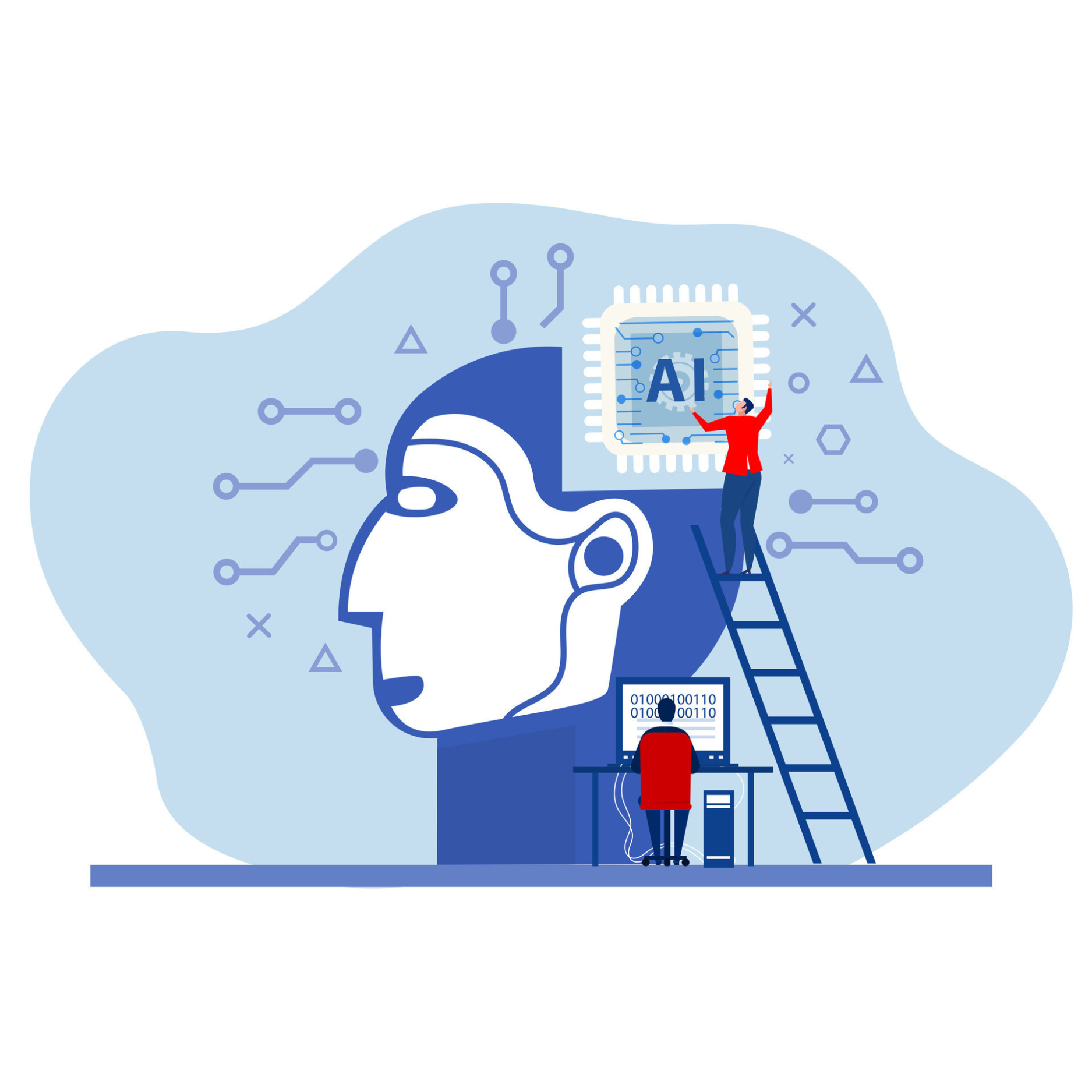
We often speak of mental health as a universal human need, yet the texture of our psychological struggles is deeply interwoven with the era we were born into. The existential loneliness of a digitally native college student differs vastly from the sandwich generation burnout of a Millennial, which again diverges from the reflective isolation of a Baby Boomer entering retirement. While traditional therapy remains invaluable, the scalability and immediacy of a best free AI therapist have created a novel form of psychological scaffolding. These platforms are not replacing human connection; they are augmenting it by meeting specific generations exactly where they are, in a linguistic and cultural syntax they intuitively understand. An online AI therapist functions as a bridge over troubled water, adapting its tone from emoji-laden validation to stoic existential reflection, depending entirely on who is sitting on the other side of the screen.
The Gen Z Lifequake: Identity Formation in a Hyperreal World
For Gen Z, the transition into adulthood has been colored by a paradox. They are the most technologically connected generation in history, yet they report the highest rates of loneliness. The "lifequake" of leaving home, starting college, or entering a precarious job market is often experienced through a curated lens of social comparison. Here, a best free AI therapist acts less like a traditional clinician and more like a nonjudgmental mirror. These users often require immediate, 3 a.m. emotional regulation support that a human professional simply cannot provide. The AI offers a private space to untangle identity confusion without the fear of being "cancelled" or misunderstood by an older generation that might dismiss their digital struggles as trivial. By utilizing a dialogue style that validates the complexity of online life, from avatar dysphoria to climate anxiety, the AI scaffolds a sense of self that is stable enough to weather the volatility of early adulthood.
Millennials and the Burnout Threshold: Dismantling Hustle Culture
If Gen Z is grappling with identity, Millennials are navigating the exhausting terrain of recalibration. Born into the promise of the American Dream and maturing during economic recessions, this generation is now hitting the "messy middle" of life. They are often raising young children while caring for aging parents, all while tethered to a gig economy that glorifies burnout. For this cohort, an online AI therapist provides structured cognitive restructuring precisely when they have no time to commute to an office. The scaffolding here is utilitarian and pragmatic. The AI helps them dismantle the deeply ingrained "hustle culture" narrative by challenging productivity related cognitive distortions in real time. When a Millennial texts "I’m a failure because I didn’t hit my revenue goal today," the AI can instantly deconstruct this thought, separating self worth from economic output. It offers a pocket sized psychological toolkit that fits between changing diapers, board meetings, and the second shift of household labor, providing consistent support that prevents acute stress from calcifying into chronic burnout.
Baby Boomers and the Art of Existential Reflection
At the opposite end of the lifespan, Baby Boomers face the distinct transition of legacy and loss. Retirement is not always the golden era it was promised to be; it often triggers a profound identity crisis. When one leaves a career that defined them for forty years, or when the family home becomes too quiet, a deep seated existential dread can surface. Engaging with a best free AI therapist can be surprisingly intuitive for this generation when designed with accessible, conversational interfaces. They use the platform to conduct life reviews, sharing long form narratives about pivotal moments that the AI patiently absorbs and reflects upon. Unlike the rapid fire, solution oriented approach Millennials might favor, Boomers often benefit from an AI that asks Socratic questions, helping them find meaning and coherence in their life story. This digital scaffold supports the grieving process, the adjustment to a slower pace, and the rebuilding of a schedule rooted in passion rather than obligation, actively combating the cognitive decline associated with social isolation.
Linguistic Tailoring and the Illusion of Intuition
The magic of an online AI therapist lies in its linguistic fluidity. To a Gen Z user reporting a panic attack, the AI might respond with grounding techniques framed in the casual, validating dialect of digital natives. To a Boomer exploring the grief of a lost spouse, the same engine pivots to a more formal, poetic, and reflective prose, perhaps referencing the concept of "continuing bonds" in a resonant, dignified manner. This is not manipulation; it is effective therapeutic attunement. By removing the friction of cultural translation, the AI ensures that the therapeutic content is not just heard but deeply felt. It recognizes that a survival mechanism for one generation might look remarkably like a pathology to another, and it adjusts the scaffolding accordingly. This bespoke delivery system makes the intimidating act of starting therapy feel less like a clinical diagnosis and more like a personal education in emotional intelligence.
The Safety Net of Unconditional Positive Regard
Despite their varied life stages, a common thread binds these generations: the fear of judgment. A Millennial might feel ashamed to admit they can’t "handle the grind," while a Boomer might view their depression as a moral failing from a bygone era of stoicism. The best free AI therapist excels at generating what Carl Rogers called "unconditional positive regard." The machine does not tire, roll its eyes, or subtly signal disappointment. For a Baby Boomer taking their first tentative steps into mental health discourse, this synthetic compassion is a low stakes gateway. It proves to them that verbalizing pain does not lead to punishment or shame. This safe harbor encourages deeper self disclosure over time, often acting as a stepping stone that gives users the courage to eventually seek community based support or human professional help, armed with a vocabulary for their internal world they previously lacked.
Selecting the Right Digital Companion
Finding the right platform among the myriad options requires understanding that the "best" is subjective to the user's developmental stage. A Millennial might gravitate toward an online AI therapist with robust goal tracking and cognitive behavioral therapy (CBT) modules that feel like a productivity app. A Gen Z user might seek an interface that feels like texting a friend, rich with empathy and micro affirmations. A Boomer often prefers a voice enabled interface that feels more like a conversation than typing. Regardless of the choice, the core value remains the same: scaffolding. Just as a physical scaffold is a temporary structure that supports the permanent restoration of a building, these free AI tools provide the temporary, on demand support necessary to navigate the chaotic, beautiful, and specific transitions of our era. They are digital handrails for the steep staircases of life, offering bespoke support that honors the unique psychological blueprint of every generation.
To further explore your mental health journey, consider visiting these authoritative resources: