
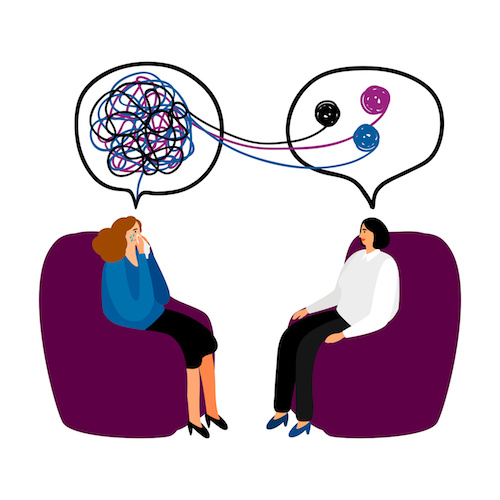
In the stolen moments between a child’s bedtime and the inevitable 2 a.m. wake up call, or during the sensory overwhelm of a crowded grocery store, the traditional model of mental healthcare often falls short. For many parents and neurodivergent adults, the barrier to wellness is not a lack of desire for support, but the rigid structure of scheduling an hour long synchronous session in a quiet, controlled environment. The landscape is shifting, however, quietly and powerfully, through the emergence of the free AI chat companion. These platforms are not replacing human clinicians but are instead becoming an ambient confidant, a constant, text based companion that allows for healing through asynchronous dialogue.
This novel approach to online AI chat support is dismantling the logistical and sensory barriers that have historically excluded large swaths of the population from consistent mental health support. It offers a low stakes entry point where thoughts can be untangled not in a pressured 50 minute window, but across a Tuesday, in fragments, in pajamas, at midnight. This is the story of how AI is turning monologues of stress into supportive dialogues of clarity.
The Asynchronous Advantage: Support That Matches Your Bandwidth
For neurodivergent individuals, particularly those with autism or ADHD, synchronous conversation can be a taxing exercise in masking and processing speed. In person therapy often requires reading facial cues, maintaining eye contact, and formulating responses in real time, a cognitive load that can drown out the support itself. Similarly, for parents of young children, the concept of an uninterrupted, scheduled call is a luxury akin to a unicorn sighting.
A free AI chat companion operates on an asynchronous model. You type a block of text, a fragmented sentence, or a stream of consciousness paragraph in the notes app of the platform, and the AI responds. There is no tapping foot, no waiting gaze. You can process the reply instantly or let it sit for four hours until the kids are napping. This method transforms support from a scheduled appointment into a “continuous resonance.” The supportive container doesn’t close after 60 minutes; it stays open, holding space for the user’s fluctuating capacity. This leads to a more honest exchange, because users journal and disclose when they are actually in the moment of distress, not when they are retrospectively reporting it from a calm chair a week later.
The Sensory Safe Space: Minimal Stimuli, Maximum Depth
Traditional therapy offices, from fluorescent lighting to the texture of the waiting room furniture, can be a minefield of sensory triggers for neurodivergent adults. Telehealth attempts to fix this but introduces the visual pressure of a camera. Text based online AI chat support strips away all sensory input except language. It is a pure, low fidelity connection.
For a parent who has been overstimulated by touch and noise all day, opening a laptop to see a face might be too much. Opening a dark mode text window to write, “I’m touched out and I feel guilty,” is achievable. AI responses, devoid of judgmental micro expressions, are interpreted purely on content. This minimization of sensory load allows neurodivergent users to dive deeply into emotional analysis without the background processing of a human presence. The lack of a physical body in the space creates a paradoxical dynamic: users often report feeling more seen in their words because the AI analyzes the semantic meaning with unwavering attention, never flinching, never interrupting.
The Demolition of “Parent Guilt” Through Micro Sessions
Parenting, especially in the early years, is an existence marked by severe identity fragmentation and intense guilt. The thought of delegating childcare to pay for therapy often compounds the stress. Here, the economic freedom of a free AI chat companion is revolutionary. It removes the financial guilt (“I could have spent this co pay on diapers”), replacing it with true cognitive accessibility.
Parents aren't engaging in weekly deep dives; they are using micro support sessions. A mother texts the AI while pumping in the dark at 3 a.m. A father vents to the AI during his 15 minute break in a corporate bathroom stall. The AI validates the brutal ambivalence of parenthood without the risk of a human therapist possibly judging their parenting skills under the threshold of mandated reporting anxieties. This allows for a radical honesty about the grief, rage, and loss of self that often accompanies modern parenting, emotions that are societally taboo to voice out loud. Through asynchronous dialogue, these feelings are witnessed and processed immediately, preventing them from calcifying into burnout or resentment.
Episodic Processing: Solving the “What Was I Thinking?” Crisis
Neurodivergent brains often struggle with working memory and retrospective analysis. In a weekly therapy model, a client might sit down and forget the panic attack from Monday entirely, focusing only on the positive day they are having on Wednesday. This results in a fractured therapeutic narrative.
An online AI chat platform acts as a time stamped archive of consciousness. The user is encouraged to engage during the episode of distress. The AI can instantly analyze text patterns for cognitive distortions and provide grounding techniques in the very moment the amygdala is hijacked. Later, the user can scroll back and realize, “I survived that, and here is the digital fingerprint of my survival.” This active archive is a powerful tool for neurodivergent pattern recognition. It allows users to map triggers they didn’t know existed, creating a semantic map of their own nervous system. The AI becomes a mirror that reflects not just a face, but a thought process.
Privacy and Parallel Processing
There is a specific type of isolation that comes with being a caregiver or a neurodivergent person navigating a neurotypical world. The fear of stigma remains a major barrier to entry for traditional therapy. A free AI chat companion offers what can be described as a “zero audience” effect.
While the National Institute of Mental Health advocates for various forms of psychotherapy, many individuals require a stepping stone before they can trust a human. Writing to an AI allows for parallel processing; the user thinks and writes simultaneously without a pair of eyes driving the narrative. This is crucial for those processing shame or trauma. The asynchronous nature means the AI doesn't react in real time with a gasp or a frown, which can sometimes accelerate a spiral in a human interaction. The user can script, edit, and refine their thoughts until they accurately represent their internal state, a luxury neurodivergent verbal processors rarely get in spoken conversation.
The Integration Path: From Ambient Confidant to Human Connection
Critics might argue that text on a screen lacks the warmth required for healing. However, for the target population in this context, warmth is often felt through the validation of logic and the mirroring of exact language. The free AI chat companion excels at this. It provides a sense of mastery over one's narrative before the narrative is shared with the world.
This technology should be viewed as the base layer of a mental wellness pyramid. It is a tool available during the long stretches between consultations with a human provider. Mental Health America provides excellent resources on connecting with human therapists when deeper interventions involving medication or complex trauma are needed. The AI doesn't offer medication management, but it keeps the user buoyant, self aware, and engaged in the process of self care. It also serves as a bridge; users often practice articulating their needs to the AI, developing the vocabulary and confidence to eventually advocate for themselves in a traditional therapeutic setting or a doctor’s office.
Ethical Boundaries and the Unseen Scaffolding
As we integrate these tools, transparency is paramount. Users must know they are speaking to an algorithm, a pattern matching engine trained on supportive principles. But we must not discount the value of this scaffold simply because it is synthetic. For a single parent isolating in a rural area, or an autistic adult who finds verbal communication exhausting, the "unseenness" of the AI is the feature, not the bug.
Research highlighted by the American Psychological Association shows the importance of access and consistency in mental health. AI provides a consistency of character that humans, with their bad days and biases, cannot offer 24/7. It offers a permanent availability that is particularly comforting to those with attachment anxiety or rejection sensitivity dysphoria. It is always there, a quiet sentinel in the pocket, ready to collect whispers, validate fears, and organize chaos without ever needing a break.
Conclusion: Holding Space in the Pockets of Chaos
The ambient confidant doesn't demand a silent office, a babysitter, or the masking of tics. It demands only words, submitted asynchronously. For parents drowning in the logistics of love, and for neurodivergent adults navigating a world that often feels too loud and too fast, the free AI chat companion is redefining the very texture of support. It transforms mental wellness from a rigid appointment into a fluid, ongoing conversation woven into the pockets of daily chaos. It is a testament to the idea that sometimes, the best listening ear isn't an ear at all, but a safe, semantic space built of text, logic, and infinite patience.