
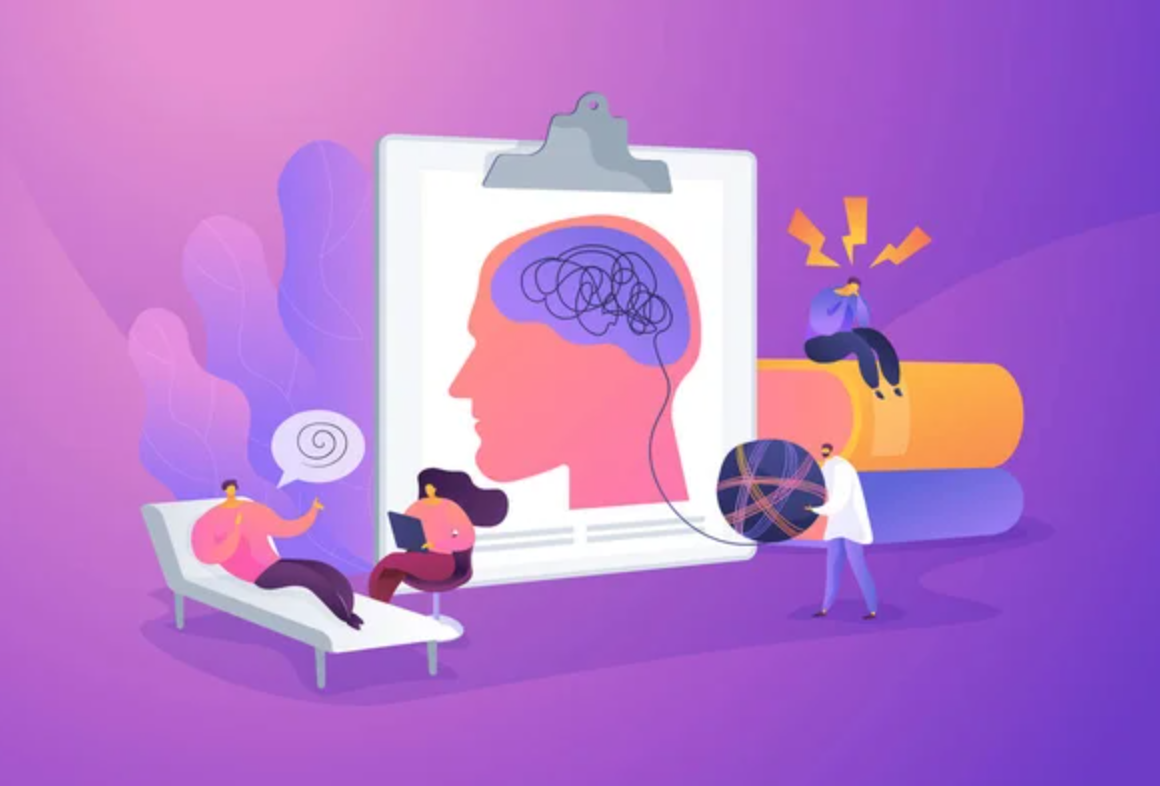
Your Cognitive First Aid Kit: A Practical Guide to Immediate Support with Free AI Therapy
Just as a physical first aid kit helps you manage a scraped knee or a headache, your mind deserves its own set of tools for life's emotional bumps and bruises. We call this a cognitive first aid kit—a personalized collection of strategies and resources designed to provide immediate support during moments of stress, anxiety, or overwhelm. In today's world, one of the most innovative and accessible tools you can add is online AI therapy. This guide will walk you through building your kit, with a practical focus on how to responsibly utilize AI therapy free resources as a component of your mental wellness plan.
What Is a Cognitive First Aid Kit?
Imagine feeling a wave of panic before a meeting, or the heavy weight of loneliness on a quiet evening. A cognitive first aid kit is your go-to response. It’s not a replacement for professional mental healthcare, but rather a set of pre-prepared, evidence-based tools to help you stabilize, gain clarity, and navigate difficult emotions in the moment. The goal is to move from reactive distress to proactive coping, creating a buffer between you and your stressors.
Assembling Your Core Toolkit
Every effective kit contains a variety of tools for different needs. Start with these foundational categories:
- Grounding Techniques: Methods to bring you back to the present when you feel disconnected or anxious. This could include the 5-4-3-2-1 sensory exercise or focused breathing patterns.
- Cognitive Reframing Prompts: Simple questions or statements that challenge unhelpful thought patterns. For example, "What evidence do I have for this thought?" or "Is there another way to view this situation?"
- Somatic Tools: Activities that connect mind and body, like progressive muscle relaxation, a short walk, or holding a cold object.
- Connection Resources: A pre-made list of trusted friends, family, or hotlines you can reach out to when you need human connection.
- Digital Supports: This is where online AI therapy platforms can play a strategic role, offering an immediate, judgment-free space to process thoughts.
The Role of Free AI Therapy in Your First Aid Kit
AI therapy free tools are like having a compassionate, available listener in your pocket at 2 AM or during a lunch break. They serve specific, valuable functions within your broader kit:
- Immediate Venting & Clarification: When your mind is racing, "talking" it out with an AI can help you identify the core issue from the noise.
- Structured Reflection: Many AI therapists guide you through therapeutic exercises like cognitive behavioral therapy (CBT) prompts or gratitude journaling.
- Practice and Preparation: They can be a low-stakes way to practice articulating your feelings before a conversation with a human therapist or loved one.
- Bridging Gaps: They provide support in between therapy sessions or while you are seeking a licensed professional.
It is crucial to remember that AI is a tool, not a licensed practitioner. It cannot diagnose conditions, handle crises, or offer true human empathy. Always prioritize human care for complex, persistent, or severe issues.
How to Integrate AI Tools Responsibly
To make the most of free AI therapy as a first aid component, follow these guidelines:
- Define Its Purpose: Decide when you will use it. For example: "I will use my AI therapy app for 10 minutes to unpack work stress, but if I feel worse, I will call my friend from my connection list."
- Focus on Skill-Building: Use it to learn and rehearse coping strategies, not just for passive conversation. Ask it to teach you a breathing technique or help you challenge a specific negative thought.
- Protect Your Privacy: Choose reputable platforms with clear privacy policies. Avoid sharing extremely sensitive personal information that could identify you or others.
- Know the Red Flags: If the AI’s suggestions feel off, dismissive, or cause increased distress, disengage and turn to another tool in your kit or a human resource.
Beyond the Digital: Curating Your Complete Kit
Your cognitive first aid kit should be multi-sensory. Alongside digital tools, consider including:
- A physical notebook for journaling or drawing.
- A curated playlist of calming or uplifting music.
- Inspirational quotes or letters to yourself.
- Photos that evoke positive memories or feelings of peace.
- A list of quick, enjoyable activities, like making a cup of tea or looking at the sky.
Store these items—digital bookmarks and physical objects—together in a dedicated place. The simple act of opening your kit is a powerful signal to your brain that you are engaging in self care.
When to Escalate Beyond First Aid
First aid is for immediate care. Your cognitive first aid kit, including online AI therapy aids, is designed for momentary support. It is essential to recognize when you need to seek professional help. Consider reaching out to a licensed therapist or counselor if you experience persistent feelings of sadness or anxiety, changes in sleep or appetite, an inability to function in daily life, or thoughts of harming yourself or others. Your kit can support you on the journey, but it is not the destination for healing deep-seated issues.
Building your cognitive first aid kit is an act of self compassion and preparedness. By thoughtfully combining timeless wellness practices with modern tools like AI therapy free resources, you empower yourself to meet emotional challenges with resilience and grace. Start assembling your kit today—your future self will thank you.
Reputable Mental Health Resources:
For comprehensive support and information, please explore these trusted organizations:
National Alliance on Mental Illness (NAMI),
Psychology Today Therapist Directory, and
988 Suicide & Crisis Lifeline.