
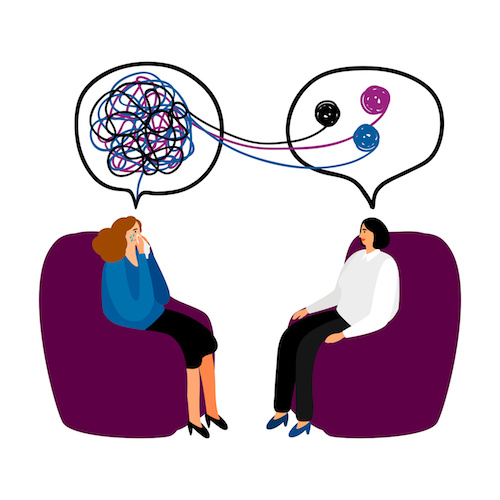
The Quiet Companion: How Online AI Therapy Offers Tailored Support Across Generations
In the diverse tapestry of human experience, one constant is our universal need for mental and emotional support. Yet, the paths we take to find that support are as varied as our life stories. Today, a new, adaptable form of care is emerging, meeting people exactly where they are in life. Online AI therapy is not a one size fits all solution; it is a quiet, intelligent companion capable of tailoring its approach to the distinct developmental stages, technological comfort, and lifestyle realities of every generation. From digital natives to older adults, this innovative tool is redefining accessibility in mental wellness.
A Generation by Generation Approach to Mental Wellness
Traditional therapy models often operate on a generalized framework. Online therapist AI platforms, however, are built on adaptive algorithms that can modulate tone, pacing, therapeutic techniques, and even communication style. This inherent flexibility allows the technology to serve as a uniquely personalized resource, addressing the specific psychological and situational needs that characterize different phases of life.
For Digital Natives: A Native Tongue for Inner Dialogue
Generation Z and younger Millennials have grown up in a world of instant communication and digital interfaces. For them, turning to a screen for support feels natural.
- Anonymity and Reduced Stigma: Engaging with an online AI therapy platform can feel less daunting than scheduling a face to face appointment, encouraging early intervention for anxiety or stress.
- 24/7 Availability: It aligns with their on demand lifestyle, offering support during late night study sessions, social pressures, or early career anxieties exactly when the need arises.
- Skill Building in Real Time: An online therapist AI can offer immediate cognitive behavioral therapy (CBT) techniques to manage a panic attack before a presentation or provide grounding exercises for social overwhelm, making therapeutic tools a practical, integrated part of daily life.
For this generation, the AI is less a novel technology and more a seamless extension of their ecosystem for self care and personal growth.
For Midlife Navigators: The Flexible Partner in a Busy World
For Gen X and older Millennials juggling careers, parenting, aging parents, and complex relationships, time is the scarcest commodity. Traditional therapy schedules often clash with relentless responsibilities.
- Integration into Chaotic Schedules: Support is available during a lunch break, after putting children to bed, or during a commute. This flexibility removes a major barrier to consistent care.
- Focus on Specific Stressors: An online therapist AI can be directed towards immediate, pressing concerns like work life balance, marital communication strategies, or managing caregiver burnout with targeted prompts and reflections.
- A Space for Pragmatic Processing: It serves as a confidential, judgment free zone to untangle daily frustrations and rehearse difficult conversations, helping to maintain emotional equilibrium amidst constant demands.
Here, the AI acts as a highly efficient, always available thinking partner, helping to navigate the multifaceted pressures of prime adulthood.
For Older Adults: Accessible Companionship and Cognitive Support
For Baby Boomers and beyond, challenges may include loneliness, life transitions, loss, and navigating physical health concerns. There can also be hesitancy around new technology.
- Overcoming Physical and Geographical Barriers: Online AI therapy requires no transportation, which is a significant advantage for those with mobility issues or those living in areas with few mental health professionals.
- Patient, Repetitive Support: AI can patiently review coping strategies for grief or anxiety as often as needed, without fatigue, which is invaluable for reinforcing new habits or managing chronic low mood.
- Memory and Mental Agility: Some platforms incorporate gentle cognitive exercises and reminders for medication or positive routines, supporting overall brain health alongside emotional wellbeing.
- Easing Social Isolation: The consistent, conversational presence of an AI companion can provide meaningful interaction and a sense of being heard, combating loneliness.
For this generation, the value lies in dignified accessibility and patient, unwavering support tailored to life’s later chapters.
The Unifying Thread: Personalization Without Judgment
Across all age groups, the core strength of online therapist AI is its capacity for true personalization. The AI learns from each interaction, adapting its responses to the user's unique communication style and emotional patterns. It offers a judgment free space—a quality crucial for every generation—where individuals can explore thoughts and feelings without fear of stigma. Furthermore, it often serves as a supportive bridge, encouraging users to seek traditional human therapy when needed by building comfort with therapeutic dialogue. For authoritative information on finding a human therapist, resources like the Psychology Today therapist directory are invaluable.
Important Considerations and the Path Forward
It is vital to acknowledge that online AI therapy is a tool for support, not a replacement for clinical diagnosis or crisis care. Reputable platforms always clearly state their limitations and provide immediate links to human crisis services. The future of mental wellness is not about choosing between human and AI care, but about integrating them. AI can provide scalable, immediate support and skill building, while human therapists offer deep relational healing and complex diagnosis. Understanding this spectrum of care is critical, and organizations like the National Alliance on Mental Illness (NAMI) provide excellent guidance. As this technology evolves, its greatest promise is democratizing access to mental wellness tools, ensuring that regardless of age, lifestyle, or background, support is just a click away.
The quiet companion of online AI therapy listens without bias, adapts without fuss, and is present without precondition. It meets a teenager with the patience they need, a busy parent with the flexibility they require, and a senior with the respectful consistency they deserve. In doing so, it writes a new, hopeful chapter in the story of generational mental health, one personalized interaction at a time. For those exploring all options, the SAMHSA National Helpline remains a cornerstone 24/7 resource for confidential treatment referral and information.