
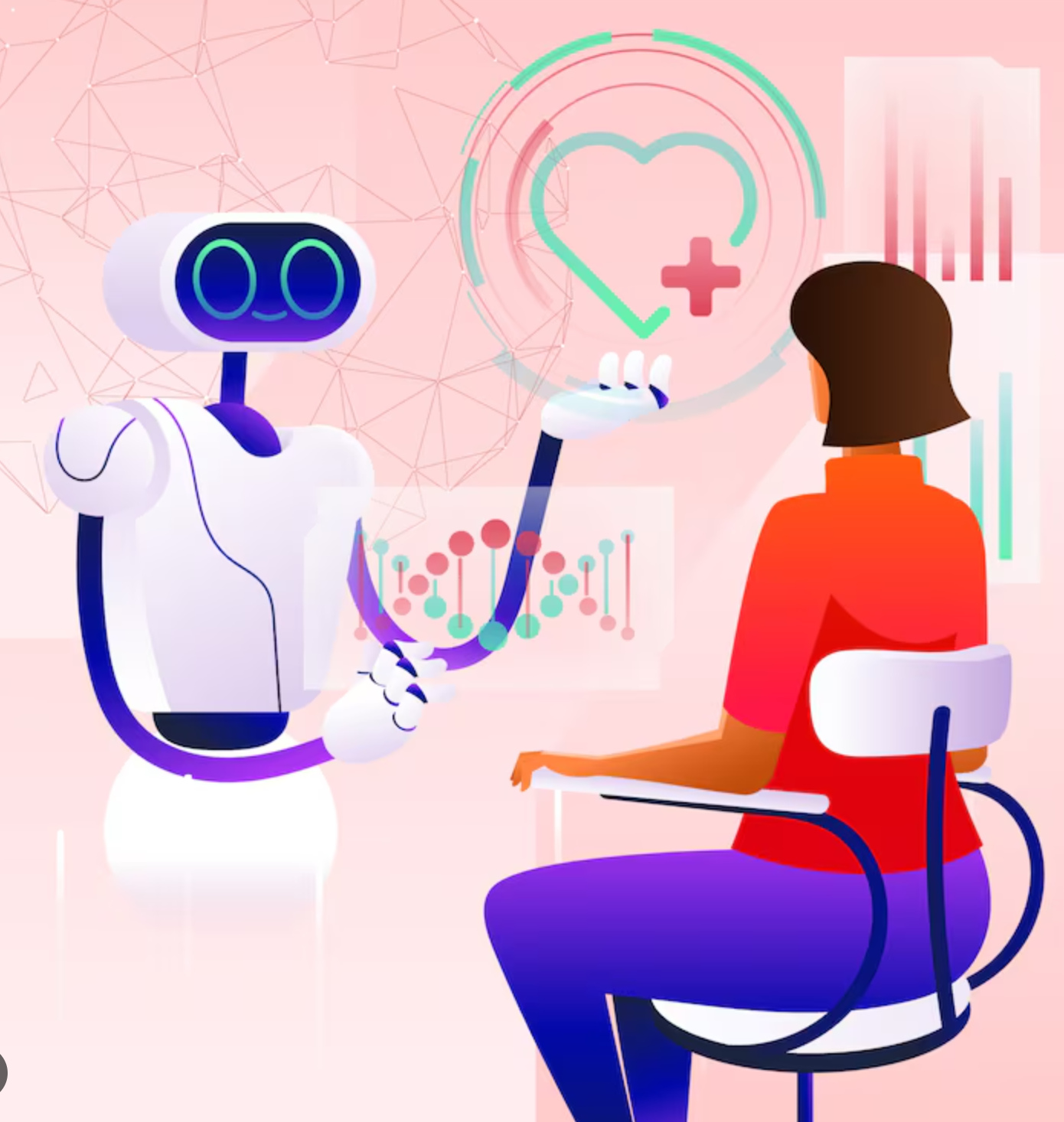
The Logic of Code, The Wisdom of Heart: Choosing Between AI and Human Therapists
In the evolving landscape of mental wellness, a new choice presents itself. On one side sits the dynamic, intuitive presence of a traditional human therapist. On the other, the consistent, analytical logic of a professional AI therapist. This isn't about declaring a winner, but about understanding two profoundly different paths to self discovery and healing. Your ideal confidant depends not on which is universally "better," but on which qualities resonate with your unique needs, circumstances, and personality.
The Steady Beacon: The Consistent Logic of an AI Therapist
Imagine a space that is always available, utterly patient, and free from human judgment or fatigue. This is the core promise of a professional AI therapist. For many, this consistency is not a cold alternative, but a revolutionary form of support.
An online AI therapist operates on logic and pattern recognition. It can help you:
- Provide Unhurried, 24/7 Accessibility: Struggles don't adhere to a 9 5 schedule. The ability to access an AI therapist free online during a late night spiral or a moment of acute stress provides a unique safety net that human sessions cannot match.
- Identify Cognitive Patterns: By analyzing your language over time, an AI can help you spot recurring negative thought loops, like catastrophizing or black and white thinking, with objective clarity.
- Offer Structured Psychoeducation: AI excels at delivering structured information on therapeutic concepts like CBT techniques, mindfulness exercises, or symptom management in a clear, digestible format.
- Create a Low Pressure Practice Ground: For those with social anxiety or deep seated shame, the non human interface can feel like a safer space to practice articulating difficult emotions before taking them to a person.
This logical, data informed approach is like having a compassionate, endlessly patient coach focused on the architecture of your thoughts.
The Dynamic Dance: The Intuitive Wisdom of Traditional Therapy
Traditional therapy is built on the irreplaceable human connection known as the therapeutic alliance. It’s a dynamic, living relationship where healing flows through nuance, empathy, and shared humanity.
A human therapist brings:
- Dynamic Intuition and Empathic Attunement: They read between the lines—catching a subtle shift in your tone, a meaningful pause, or body language you may not even be aware of. This intuition guides the therapy's direction in real time.
- The Power of Shared Humanity: The simple, powerful statement, "I hear you, and that sounds incredibly painful," from another person carries a weight of validation that code cannot replicate. The relationship itself becomes a corrective emotional experience.
- Navigating Complex, Unstructured Terrain: Human therapy thrives in ambiguity. It can handle the messy, nonlinear stories of trauma, grief, and relationship dynamics that don't fit into logical frameworks.
- Ethical Judgment and Crisis Management: A licensed therapist possesses the training and ethical responsibility to assess risk, navigate severe crises, and make complex clinical judgments that AI is not designed or permitted to handle.
Side by Side: A Comparative Lens
Choosing often comes down to prioritizing certain qualities. Consider this comparison not as a scorecard, but as a map of different terrains.
Consistency & Availability: An online AI therapist offers unwavering, instant access. Traditional therapy provides scheduled, consistent sessions that build a relational rhythm.
Depth of Connection: AI offers a structured, transactional interaction. Human therapy offers a deep, relational bond that is itself therapeutic.
Cost and Scale: Many AI therapist free online platforms provide foundational support at no cost, democratizing access. Traditional therapy, while often covered by insurance, involves higher financial investment.
Scope of Practice: AI is excellent for skill building, mood tracking, and managing mild to moderate symptoms. Human therapists are essential for diagnosing complex conditions, processing trauma, and providing personalized, holistic care.
Finding Your Fit: Questions to Guide Your Choice
Ask yourself these questions to clarify your needs:
- Do I need immediate, on demand tools for anxiety management, or am I seeking deep, long term understanding of my past?
- Do I feel more comfortable with logical, structured exercises, or with open ended, exploratory conversation?
- Is my primary goal to learn coping skills, or to work through complex relational or traumatic issues?
- Would the non judgmental nature of an AI make me more likely to engage, or would I miss the empathetic feedback of a human?
Remember, this is not a binary choice. Many find a blended approach most effective—using an AI therapist for daily journaling and skill reinforcement between scheduled sessions with their human therapist.
A Collaborative Future for Mental Wellness
The most promising path forward is one of integration, not opposition. We can envision a future where human therapists leverage AI tools for progress tracking and between session support, freeing up more time for the deep, intuitive work only they can do. This collaborative model amplifies the strengths of both logic and wisdom.
Whether you choose the consistent logic of an AI or the dynamic intuition of a human therapist, the courageous act is choosing to seek support at all. Your mental wellness journey is uniquely yours, and the tools available to support it are more diverse than ever before.
If you are in crisis, please seek immediate human support. The following resources can provide guidance:
- Psychology Today Therapist Directory: A comprehensive tool for finding licensed therapists in your area.
- National Alliance on Mental Illness (NAMI): Offers education, support groups, and a helpline for individuals and families.
- 988 Suicide & Crisis Lifeline: Free, confidential 24/7 support for anyone in distress. Call or text 988.