
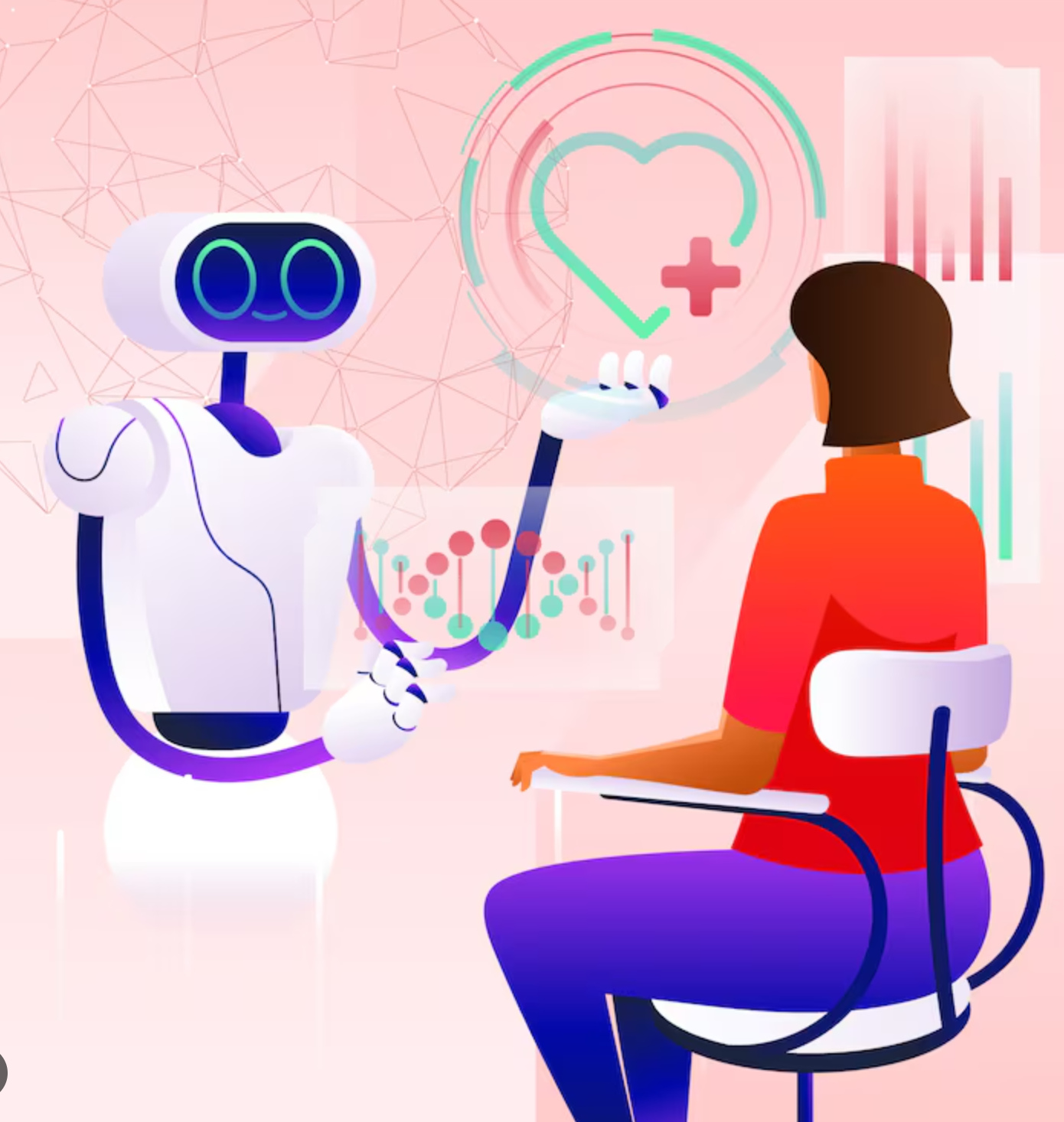
The Therapeutic Crossroads: Human Warmth or AI Precision in Your Mental Health Journey
For generations, the image of mental health support has been anchored in the quiet, confidential space of a therapist's office. The human connection, the empathetic nod, the shared understanding in a glance—these are the hallmarks of traditional talk therapy. Today, a new entity has entered the scene: the professional therapist AI. This evolution presents a nuanced choice. Do you seek the irreplaceable warmth of human empathy, or the accessible, data driven precision of an AI? This exploration is not about declaring a winner, but about understanding the unique strengths of each to empower your personal wellness path.
The Unmistakable Power of the Human Connection
At its core, traditional therapy is a relational journey. A skilled human therapist offers something profoundly complex: genuine empathy. This is the ability to not just understand your words, but to feel with you, to perceive the subtle shifts in tone, body language, and emotion that no sensor can fully capture. This relationship itself becomes a tool for healing. It provides a model for healthy interaction, offers corrective emotional experiences, and builds trust through consistent, non judgmental presence.
The therapeutic alliance—the bond between client and therapist—is consistently shown to be one of the strongest predictors of successful outcomes. A human can sit with you in silence during a breakthrough, can share in a moment of profound sadness, and can adapt their approach with an intuitive flexibility that stems from lived human experience. This depth of connection is currently the gold standard for processing complex trauma, navigating relational issues, and exploring the nuanced layers of personality.
The Rise of the Professional Therapist AI: Precision and Access
Enter the professional therapist AI. This is not a science fiction fantasy but a sophisticated tool designed to offer support. Its strengths lie in areas that complement, rather than replicate, human therapy. An AI therapist for depression support can provide immediate, 24/7 access to structured cognitive behavioral techniques. It can help you track mood patterns with impeccable memory, identify cognitive distortions from your own journaling, and deliver psychoeducation without time constraints.
For many, the appeal of an online therapist chatbot is its barrier free nature. It eliminates hurdles like cost, scheduling, geography, and the initial stigma of walking into an office. It offers a space for practice and reflection between human sessions, or serves as a first step for those hesitant to seek traditional help. The AI's responses are data driven, consistently patient, and free from human bias or fatigue, making it a powerful tool for building mindfulness habits or managing anxiety in the moment.
Weighing the Scales: Empathy vs. Data Driven Insight
So how do you weigh these options? Consider your needs through these lenses:
- Depth vs. Immediate Tools: Human therapists excel at exploring the "why" behind deep seated patterns. A professional therapist AI excels at offering the "how"—immediate tools and exercises to manage symptoms.
- Nuance vs. Consistency: A human therapist interprets nuance and ambiguity. An AI provides consistent, protocol based support and can analyze your input for linguistic patterns you might miss.
- Relationship vs. Privacy: The healing power of relationship is central to human therapy. An AI offers absolute privacy and a fear free zone for confessing thoughts you might not yet be ready to share with a person.
It is crucial to remember that current AI is a tool, not a sentient being. It cannot genuinely care for you, cannot draw from its own life experience, and lacks the clinical judgment to handle crisis or severe mental health conditions. Its framework is built on patterns, not true understanding.
Finding Synergy: The AI as a Supplemental Partner
The most promising path forward may not be a choice of one over the other, but a strategic integration. An online therapist chatbot can serve as an exceptional supplemental tool. Imagine using it to:
- Journal and organize your thoughts before a therapy session.
- Practice coping skills learned in therapy during a late night anxious moment.
- Maintain progress and track moods between appointments.
- Provide a low pressure introduction to therapeutic concepts, building confidence to seek human care.
In this model, the human therapist provides the depth, direction, and relational healing, while the AI acts as a always available practice field and tracking assistant, enhancing the overall therapeutic work.
Navigating Your Unique Path to Wellness
Your mental health journey is personal. If you are in crisis, experiencing severe symptoms, or dealing with complex trauma, prioritizing connection with a human professional is essential. For general stress management, mild to moderate anxiety, or as a supplement to existing care, a reputable AI therapist for depression support can be a valuable component of your toolkit.
Whichever path you explore, ensure your resources are credible. Look for AI tools developed with clinical oversight and clear privacy policies. For human therapists, verify their licenses and specialties. Your wellness deserves a thoughtful, informed approach, whether it finds its foundation in the human heart, the precision of data, or a thoughtful combination of both.
Reputable Mental Health Resources:
- Psychology Today Therapist Directory: A comprehensive directory to find licensed therapists in your area.
- National Alliance on Mental Illness (NAMI): Offers education, support groups, and a helpline for individuals and families.
- Crisis Text Line: Free, 24/7 support for those in crisis. Text HOME to 741741 from anywhere in the US.