
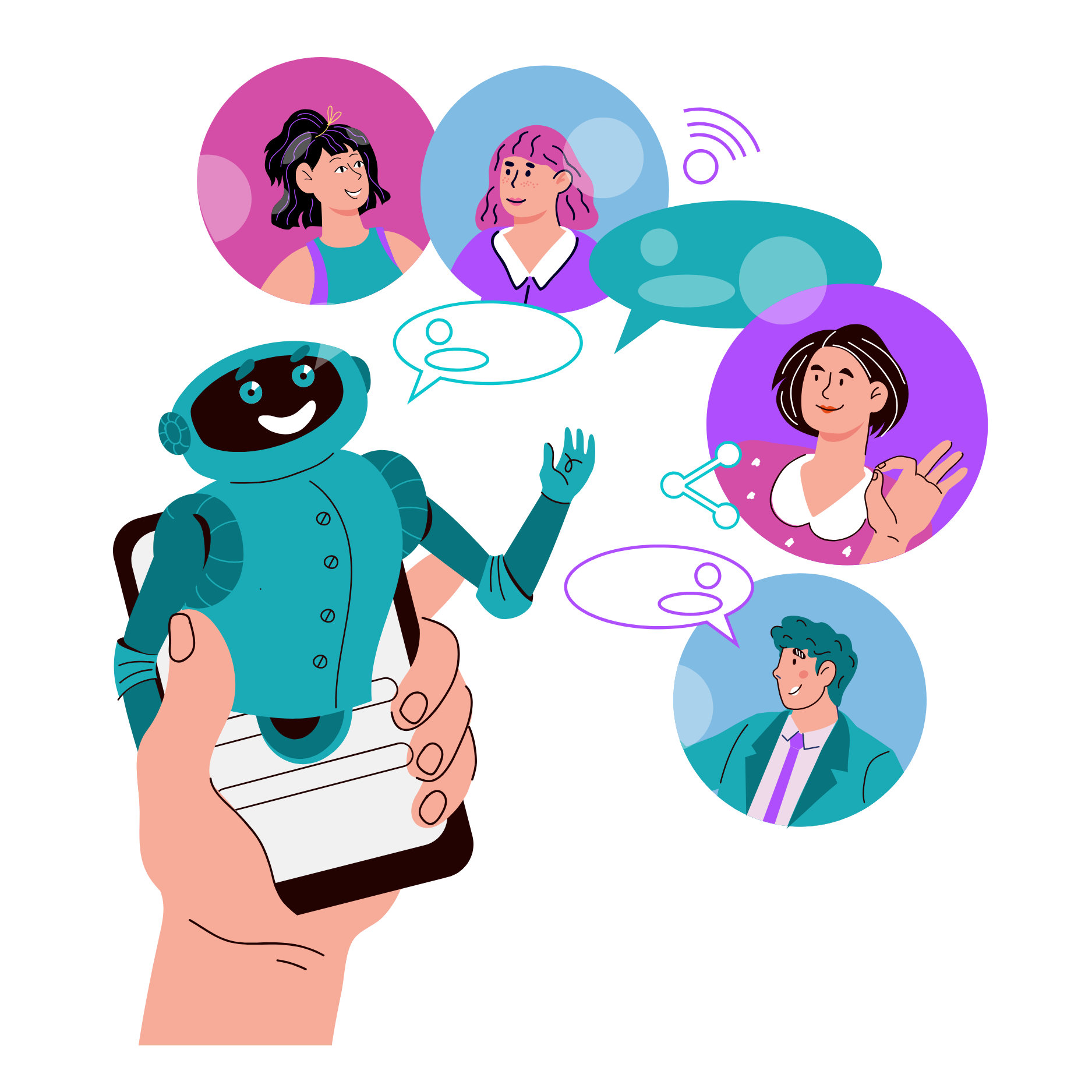
Your Quiet Companion at 3 AM: A New Parent's Guide to Online AI Therapy
The journey into parenthood is often painted in soft pastels and joyful firsts. Yet, for many, the reality includes a more complex palette: the profound stress of constant responsibility, the disorienting fog of sleep deprivation, and an unexpected, aching sense of isolation. In these moments, especially during the lonely night feeds or the endless afternoons, traditional support can feel out of reach. This is where a new, accessible form of support enters the picture. This guide explores how an online AI therapist can serve as a supplemental tool, offering immediate, judgment-free support to help you navigate the beautiful, overwhelming transition into parenthood.
Understanding the New Parent Landscape: More Than Just "Baby Blues"
New parent stress is a unique beast. It's not just about being tired; it's a fundamental shift in identity, routine, and emotional capacity. Feelings of isolation can intensify even when you're never physically alone, as the focus shifts entirely to your newborn's needs. Processing complex emotions like guilt, frustration, or anxiety can feel impossible when you're operating on minimal sleep. Acknowledging these challenges is the first step. An online AI therapy platform isn't meant to replace human connection or professional medical care for conditions like postpartum depression, but it can act as a cognitive first aid kit, available the moment you need to untangle a thought or find a moment of calm.
What Is an Online AI Therapist and How Can It Help?
An online therapist AI is a digital tool powered by artificial intelligence designed to simulate therapeutic conversation. Through text based interaction, it can help you process emotions, practice cognitive behavioral techniques, and develop coping strategies. For a new parent, its greatest strengths are accessibility and immediacy. It doesn't require scheduling, childcare, or even getting out of your pajamas. It's there during the 3 AM feeding, the fussy evening witching hour, or the five minute break you finally get when the baby naps.
- Processing Complex Emotions: Vent about a frustrating day or articulate fears without worrying about burdening a partner or friend. The AI provides a neutral, confidential space to offload.
- Strategies for Sleep Deprivation: While it can't give you more sleep, an AI can help you manage the cognitive effects. It can guide you through mindfulness exercises to reduce anxiety when trying to rest or help reframe catastrophic thinking that often escalates when we're exhausted.
- Creating Mental Clarity: Through structured reflection prompts, an AI can help you identify specific stressors, breaking down the overwhelming "everything is hard" feeling into manageable parts.
Getting Started: Integrating AI Support into Your Demanding Routine
The key to using any new parent tool is simplicity. Here’s how to practically integrate an AI therapist into your life.
Step 1: Finding a Platform. Begin by researching a best free AI therapist platform. Look for ones that emphasize privacy, have clear disclaimers about their supplemental nature, and use evidence based therapeutic frameworks like CBT or DBT. Many reputable apps offer robust free tiers perfect for beginners.
Step 2: Setting Realistic Expectations. Approach the AI as a supportive tool, not a human replacement. It won't have personal lived experience, but it is trained on vast datasets of therapeutic practice to offer helpful prompts and techniques.
Step 3: The Micro Session. You don't need an hour. Start with a 5 10 minute "session." Try prompts like: "I'm feeling overwhelmed by the baby's crying. Help me reframe my thoughts," or "Guide me through a quick grounding exercise for new parent anxiety."
Step 4: Consistent Check Ins. Use the AI for daily emotional check ins. This habit builds self awareness and can prevent stress from building to a crisis point.
Evaluating and Using Your Online Therapist AI Safely
As you explore, keep these safety and evaluation guidelines in mind:
- Confidentiality is Key: Ensure the platform has a clear privacy policy. Never share highly identifiable personal information.
- Know Its Limits: An AI cannot diagnose conditions, handle crises, or replace treatment for serious mental health issues like clinical postpartum depression or anxiety.
- Assess the Responses: Does the AI's guidance feel helpful and compassionate? Does it encourage harmful behaviors? If responses feel off, discontinue use and try another platform.
- Use it as a Bridge: If the AI helps you identify persistent patterns of depression or anxiety, use that clarity to seek help from a human professional. It can be a powerful first step.
Remember, tools like an online AI therapist are part of a broader mental wellness ecosystem. For comprehensive support, always lean on trusted human resources as well.
Building Your Holistic Support Network
Think of your online therapist AI as one piece of your support puzzle. It's the tool available in your pocket at all hours. For a balanced approach, complement it with these reputable resources:
- Postpartum Support International (PSI): A vital resource offering a help line, support groups, and provider directories specifically for perinatal mood disorders.
- The National Alliance on Mental Illness (NAMI): Provides excellent general education and a national helpline for navigating mental health challenges.
- Psychology Today Therapist Directory: A practical tool to find licensed therapists in your area who specialize in postpartum and parental stress.
Embracing Support in All Its Forms
Navigating new parenthood requires a village, and today, that village can include digital tools designed for your wellbeing. An online AI therapy platform, particularly a best free AI therapist service, offers a unique form of immediate, judgment free support to help you process the rollercoaster of emotions, find moments of peace, and develop resilience. By using it wisely as a supplemental resource, you can ensure that even in the loneliest hours, you have a quiet companion to help you find your way back to calm, clarity, and the confidence to thrive in your new role.