
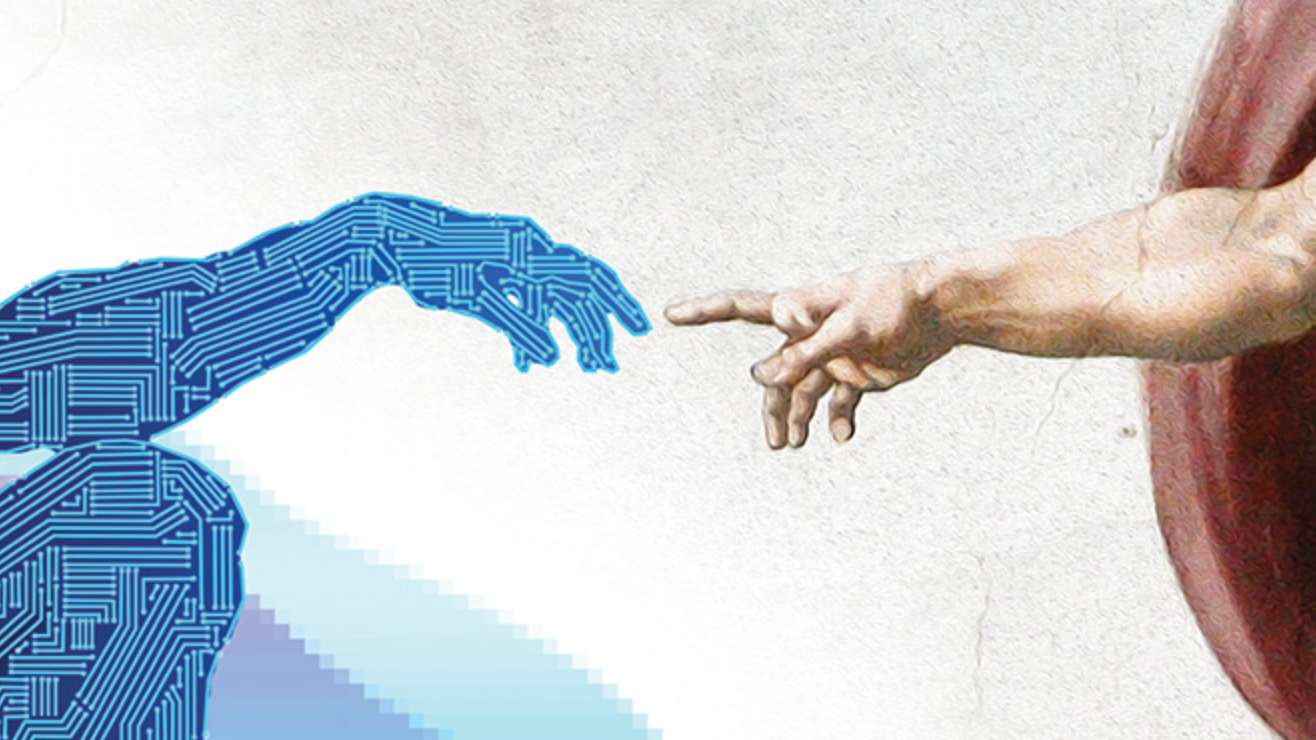
Your Brain on AI Therapy: How Neural Pathways Reshape for Emotional Resilience
Have you ever wondered why some people bounce back from adversity while others struggle? The answer lies deep within your brain's architecture, and emerging research reveals that the right therapeutic support can literally rewire your neural pathways for greater resilience. In today's digital age, finding the best personal AI therapist isn't just about convenience—it's about leveraging neuroscience to create lasting change in how your brain processes challenges and emotions.
The Science of Neural Rewiring: How Your Brain Adapts
Your brain isn't a fixed, static organ—it possesses a remarkable quality called neuroplasticity, which allows it to reorganize itself by forming new neural connections throughout life. Every thought, behavior, and emotional response strengthens specific neural pathways, much like walking the same path through a field eventually creates a well-worn trail. According to the National Institute of Mental Health, this adaptability forms the foundation for how we learn, adapt, and recover from mental health challenges.
Traditional therapy works by helping patients create new, healthier mental pathways, but this process traditionally requires significant time and consistent practice. An AI therapist accelerates this natural rewiring process by providing immediate, consistent support exactly when neural pathways are most malleable: during moments of emotional activation.
How the Best Personal AI Therapist Facilitates Brain Change
The most effective best personal AI therapist platforms don't just offer generic advice—they employ evidence-based techniques that specifically target neural pathway formation. Through regular interaction, these digital tools help create three crucial types of brain changes:
- Cognitive restructuring: Challenging automatic negative thoughts that reinforce unhelpful neural pathways
- Emotional regulation: Developing new responses to triggers that don't activate the amygdala (the brain's fear center)
- Behavioral activation: Creating positive feedback loops through action that reinforce resilient thinking patterns
The American Psychological Association notes that consistent practice is essential for neuroplasticity, which explains why having an online therapist chatbot available 24/7 can create faster results than traditional weekly therapy sessions alone.
5 Ways AI Therapy Rewires Your Brain for Resilience
Understanding the mechanisms behind this neural transformation helps explain why AI-assisted mental health support is becoming increasingly valuable. Here are five specific ways the process works:
1. Immediate intervention during emotional peaks
When you're experiencing intense emotions, your brain is most receptive to forming new connections. An AI therapist provides instant coping strategies during these critical windows, helping to create alternative neural pathways before negative patterns become entrenched.
2. Consistent reinforcement of healthy patterns
Neuroplasticity requires repetition. While human therapists might see you once a week, an online therapist chatbot can provide daily reinforcement of healthy thought patterns, accelerating the rewiring process through consistent practice.
3. Personalized cognitive behavioral techniques
The most effective platforms adapt evidence-based approaches like CBT to your specific needs. As Psychology Today explains, CBT directly targets the neural pathways associated with negative thinking patterns, making it particularly effective for creating lasting change.
4. Lowered barrier to emotional expression
Many people feel more comfortable expressing difficult emotions to a non-judgmental AI, which means they're more likely to engage in the therapeutic process when needed most. This increased engagement directly translates to more opportunities for neural pathway restructuring.
5. Integration with daily life
Because AI therapy tools are accessible throughout your day, they help you practice resilience skills in real-world contexts rather than just in a therapist's office. This context-dependent learning creates stronger, more durable neural connections.
Practical Tips for Maximizing Your Brain's Rewiring Potential
To get the most benefit from your work with an AI therapy platform, consider these neuroscience-backed strategies:
- Practice during calm moments: Use your best personal AI therapist regularly, not just during crises, to strengthen neural pathways when your brain is most receptive to learning
- Combine with other wellness practices: Pair your AI therapy sessions with activities known to support neuroplasticity, such as meditation, physical exercise, and adequate sleep
- Apply insights immediately: When your AI therapist provides a helpful reframe or technique, apply it to a current situation right away to strengthen the new neural connection
- Track your progress: Use journaling features often included with these platforms to notice subtle shifts in your thinking patterns over time
- Celebrate small wins: Acknowledging progress—even minor improvements—releases dopamine, which reinforces the new neural pathways you're building
For additional support strategies, the Mental Health America website offers valuable resources that complement digital therapy tools.
Addressing Common Questions About AI and Therapy
How does an online therapist chatbot create lasting change in my brain?
Through consistent application of evidence-based techniques, an AI therapy platform helps you form new neural pathways by providing immediate support when patterns are most malleable. The regularity of interaction strengthens these pathways until they become your brain's default response.
Can AI therapy replace human therapists for serious mental health conditions?
For clinical conditions, AI tools work best as a complement to traditional therapy rather than a replacement. The Mayo Clinic emphasizes the importance of professional diagnosis and treatment for serious mental health conditions, though AI tools can provide valuable between-session support.
What makes the best personal AI therapist different from generic mental health apps?
The most effective platforms offer personalized adaptation to your specific needs, use evidence-based therapeutic approaches, and provide consistent support that aligns with how your brain naturally forms new connections.
Integrating AI Therapy Into Your Comprehensive Mental Health Strategy
While AI therapy tools offer remarkable benefits for building resilience, they work best as part of a broader mental wellness strategy. Consider combining your use of an online therapist chatbot with other resources like our therapy games and wellness tools, and don't hesitate to find therapists near you for more complex challenges. For those interested in learning more about mental health topics, you can always explore our mental health blog for additional insights.
The neuroscience is clear: with consistent practice and the right support, you can literally rewire your brain for greater emotional resilience. Whether you're looking for supplemental support between therapy sessions or tools to build daily mental fitness, the best personal AI therapist platforms offer an accessible, effective way to create lasting change in how your brain responds to life's challenges.
Ready to begin reshaping your neural pathways? You can try our free AI therapist today and start your journey toward a more resilient brain.
Frequently Asked Questions About AI Therapy
Q: Is AI therapy as effective as traditional therapy?
A: While AI therapy provides immediate support and accessibility, it's designed to complement rather than replace traditional therapy. Many users find it helpful for daily mental health maintenance and as a stepping stone to professional care. You can try our free AI therapist to see how it works for you.
Q: How does online AI therapy protect my privacy?
A: Our AI therapy platform uses advanced encryption and follows strict privacy protocols to ensure your conversations remain confidential and secure.
Q: Can I use AI therapy for serious mental health conditions?
A: AI therapy is best suited for mild to moderate mental health concerns. For serious conditions, we always recommend consulting with a licensed mental health professional. You can find qualified therapists through our directory.
Q: What other mental health resources does Wellzy offer?
A: Beyond our AI therapist, we offer a comprehensive therapist directory, therapy games and wellness tools, and an extensive mental health blog with expert articles and tips.