
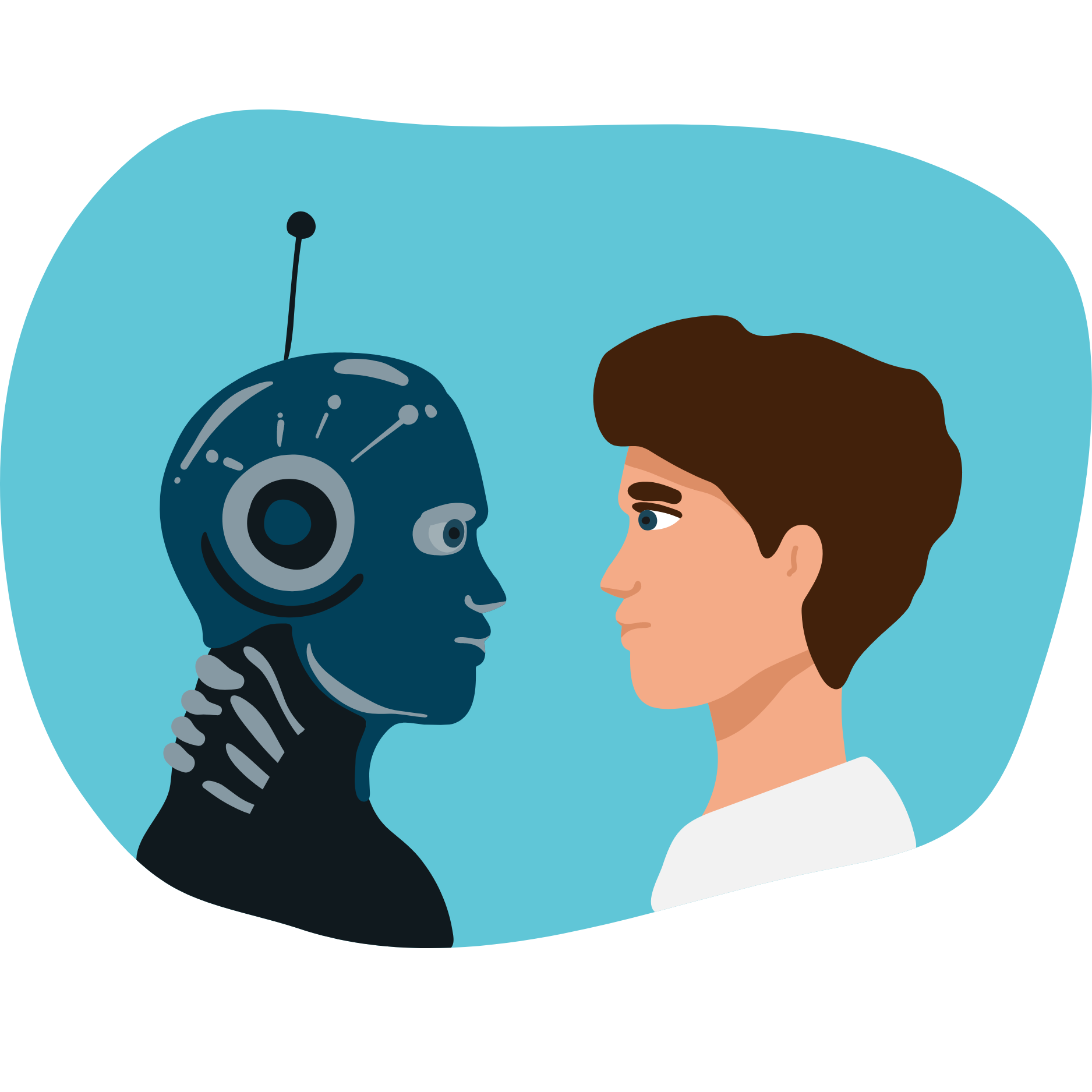
When Your Mind Needs a Moment: Choosing Between Traditional Therapy and an AI Therapist for Daily Life
In our fast paced world, mental health support is no longer a one size fits all model. When facing everyday challenges, from work stress to relationship worries, you now stand at a fascinating crossroads. On one path lies the established, deeply human practice of traditional therapy. On the other, an innovative new companion: a personal AI therapist chatbot. This isn't about one replacing the other, but about understanding which tool fits your unique needs, especially when seeking accessible options like free AI therapy or more intensive, long term care. Let's navigate this new landscape together.
The Human Touch: The Enduring Value of Traditional Therapy
For generations, traditional therapy has been the cornerstone of mental health care. It involves building a therapeutic alliance with a licensed professional, such as a psychologist, counselor, or social worker. This relationship is built on trust, empathy, and shared understanding over time.
The benefits are profound:
- Nuanced understanding: A human therapist can read non verbal cues, sense emotional shifts, and respond with a depth of empathy that is currently unmatched by technology.
- Complex diagnosis and treatment: For deep seated trauma, personality disorders, or complex mental health conditions, the expertise of a trained professional is essential. Organizations like the American Psychological Association outline the rigorous training required for such work.
- Personalized intervention: Therapists can create highly tailored treatment plans, drawing from a wide range of modalities like CBT, psychodynamic therapy, or DBT.
If you are dealing with severe symptoms, thoughts of self harm, or a diagnosed mental illness, your first step should always be to consult a qualified human professional. You can find therapists near you through our directory or trusted resources like Psychology Today.
The Digital Confidant: Understanding the Role of a Personal AI Therapist Chatbot
Enter the world of AI powered mental health support. A personal AI therapist is an accessible, digital tool designed to provide immediate, judgment free support. Think of it as a first line of defense for your mental well being, available 24/7 in your pocket.
So, when does an AI therapist shine?
- Immediate support for everyday stress: When you feel overwhelmed by a deadline, have a moment of social anxiety, or just need to vent, an AI is there instantly, without the need for an appointment.
- Building consistent mental fitness habits: Much like a daily workout, checking in with an AI can help you practice mindfulness, challenge cognitive distortions, and build resilience over time.
- Overcoming the stigma and cost barrier: For many, the idea of free AI therapy or low cost options makes support accessible for the first time, removing significant financial and logistical hurdles.
You can try our free AI therapist to experience this immediate, supportive conversation for yourself.
5 Key Factors to Help You Choose Your Path
How do you decide which option is right for your current situation? Consider these five questions.
1. What is the nature of your challenge?
For daily stress, mild anxiety, or needing a sounding board, an AI can be incredibly effective. For deep trauma, grief, or diagnosed conditions, a human therapist's expertise is non negotiable. The National Institute of Mental Health provides excellent resources for understanding different conditions.
2. What level of human connection do you need?
Do you crave the shared humanity and nuanced feedback of another person? Or do you prefer the anonymity and lack of judgment a chatbot provides? There is no right answer, only what feels right for you.
3. What are your logistical and financial constraints?
Traditional therapy requires scheduling, often has a higher cost, and may involve insurance. An AI therapist offers unparalleled flexibility and affordability, with many platforms offering a free AI therapy tier to get started.
4. Are you looking for crisis management or long term growth?
AI is excellent for in the moment coping strategies and emotional regulation. Human therapists are better equipped for long term personality work and processing complex life events.
5. Are you willing to use a hybrid model?
Many people are now finding the best personal AI therapist tools act as a powerful supplement to their traditional therapy, using the AI for journaling and between session support.
Finding the Best Personal AI Therapist for Your Needs
If you're leaning toward exploring AI support, it's crucial to choose a quality platform. The best personal AI therapist will have certain key features:
- Evidence Based Techniques: Look for chatbots grounded in established therapeutic approaches like Cognitive Behavioral Therapy (CBT) and mindfulness.
- Strong Privacy Protections: Your conversations should be encrypted and your data kept confidential. Always read the privacy policy.
- User Friendly Design: The interface should be calming and easy to navigate, reducing friction when you need help most.
- Progress Tracking: Some platforms offer mood tracking and journaling features to help you see your progress over time.
Beyond chat, you can also explore our therapy games and other interactive wellness tools to support your journey.
A Collaborative Future: AI and Therapists Working in Tandem
The most exciting potential lies not in competition, but in collaboration. Imagine a future where your human therapist recommends using an AI tool for daily mood tracking and practicing coping skills. This data can then inform your live sessions, making them more focused and productive. This integrated approach could make mental wellness a more continuous, supported part of our lives. For more on this evolving field, explore our mental health blog for the latest insights.
Your Questions Answered: AI Therapy FAQ
Is free AI therapy actually effective?
Yes, for its intended purpose. While not a replacement for a human clinician for serious conditions, studies show that AI guided conversations can significantly reduce symptoms of mild to moderate anxiety and depression by teaching users to reframe thoughts and manage emotions.
Can a personal AI therapist chatbot understand complex emotions?
Today's advanced AI can demonstrate remarkable empathy and follow conversational threads. While it doesn't "feel" or "understand" like a human, it is trained on vast amounts of psychological data to provide relevant, supportive, and clinically informed responses.
How do I know if I've found the best personal AI therapist platform?
Look for transparency about its therapeutic foundations, clear privacy policies, and positive user testimonials. The right platform will feel supportive and helpful, not robotic or generic. Trust your intuition.
When should I absolutely choose a human therapist over AI?
If you are experiencing suicidal thoughts, psychosis, severe trauma, or any condition that impairs your daily functioning, you must seek help from a licensed professional immediately. Resources like Mental Health America and the Mayo Clinic are vital starting points.
Conclusion: Your Journey, Your Choice
The landscape of mental health support is beautifully expanding. Traditional therapy offers the deep, transformative power of human connection. A personal AI therapist chatbot offers unprecedented accessibility and immediacy for life's daily struggles. Your path is not set in stone, you can choose different tools for different seasons of your life. Whether you begin with a free AI therapy app to build mental fitness habits or decide to browse our therapist directory for more specialized care, the most important step is the one you take toward prioritizing your well being. Why not start your mental health journey today and see what form of support resonates with you?