
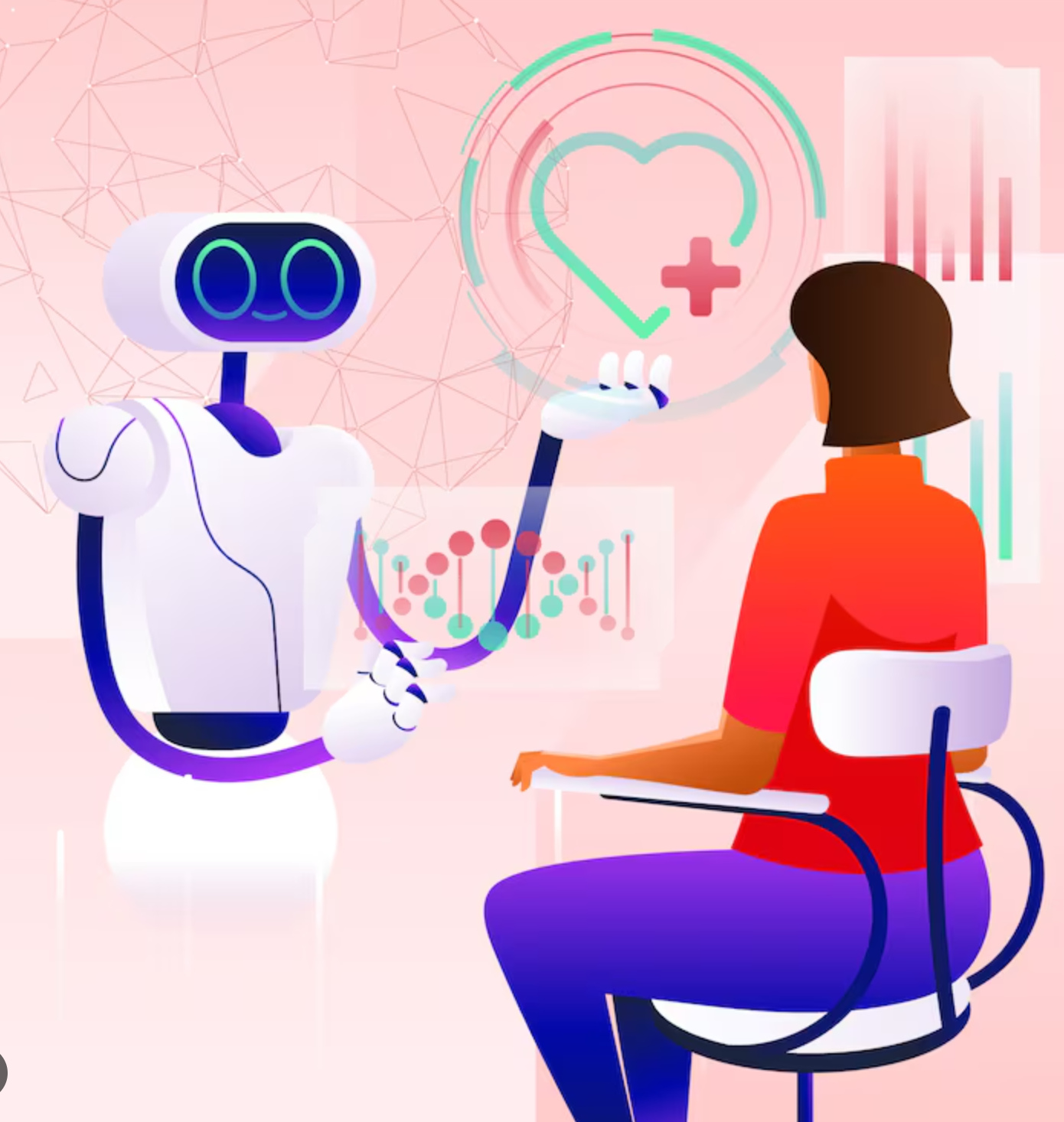
Two Mirrors of the Mind: A Comparative Look at Human Therapists and Professional Therapist AI
For generations, the journey of self discovery and emotional healing has been guided by a trusted, human companion: the therapist. This relationship, built on empathy, nuanced understanding, and shared humanity, has been the cornerstone of mental wellness. Today, a new kind of reflective surface has emerged: the professional therapist AI. This technology offers a different type of mirror, one of constant availability and structured interaction. Understanding the distinct qualities of each can help you choose the right support for your unique path.
The Human Mirror: Depth, Nuance, and Shared Experience
Traditional therapy provides a mirror held by another person. A human therapist does more than reflect your words; they perceive the subtle shifts in your tone, your body language, and the emotions that linger between sentences. This process, known as the therapeutic alliance, is a dynamic, co created relationship. It is in this human connection that profound healing often occurs. The therapist’s own lived experience and professional intuition allow them to navigate complex emotional landscapes, sit with you in silence during a breakthrough, and offer a genuine, empathetic presence that feels irreplaceably human.
This mirror is curated and guided. A therapist can challenge your perceptions, help you trace patterns back through your personal history, and tailor their approach from a vast toolkit of methodologies like CBT, psychodynamics, or humanistic therapy. The relationship itself becomes a model for healthy interaction, offering repair and trust within a safe, confidential container.
The AI Mirror: Accessibility, Consistency, and a Private Space
In contrast, a professional therapist AI offers a mirror that is always clear, consistently available, and free from human judgment. This technology is not a replacement for a human therapist but a different kind of tool. For many, it serves as a first step, a supplemental resource, or immediate support between sessions. The core appeal of an AI therapist free online often lies in its accessibility. It breaks down barriers of cost, scheduling, and geography, providing a private space for reflection at any hour of the day or night.
This digital mirror excels in providing structured, evidence based frameworks. It can guide you through cognitive behavioral exercises, help you journal and identify thought distortions, or offer mindfulness techniques with unwavering patience. The professional therapist AI operates without fatigue, bias, or personal emotional response, creating a low pressure environment where you can articulate thoughts you might initially feel hesitant to share with another person.
Side by Side: A Comparison of Core Features
To visualize their differences and potential synergies, consider this comparison of their reflective qualities:
- Empathy & Intuition: The human therapist provides genuine, felt empathy and intuitive insight. The AI offers simulated, language based empathy and follows programmed supportive protocols.
- Availability & Scale: Traditional therapy is limited by appointment schedules. An AI therapist free online platform is available 24/7, offering immediate, scalable support.
- Context & Memory: A human remembers your life story, your relationships, and the emotional arc of your journey. An AI recalls the data from your conversations within a session but lacks a true understanding of your lived history.
- Crisis Management: A human therapist is ethically and legally equipped to manage severe crises and provide urgent intervention. A professional therapist AI can provide coping strategies and direct users to crisis resources, but cannot assume clinical responsibility.
- Cost & Access: Traditional therapy can be costly and limited by insurance networks. Many AI tools offer free or low cost tiers, dramatically increasing access to mental health support.
Choosing Your Reflection: It's Not Always One or the Other
The choice between these two mirrors is not necessarily binary. For some, a human therapist is essential for dealing with deep trauma, complex personality dynamics, or the need for a profound interpersonal connection. For others, an AI tool might be the perfect starting point to build self awareness, manage daily stress, or develop coping skills before engaging with a human professional.
Increasingly, these two modalities are being used in tandem. A client might use an AI therapist free online app for daily mood tracking and cognitive exercises, then bring those insights into their weekly therapy session for deeper exploration with their human therapist. This blended approach can make traditional therapy more efficient and empower individuals to take an active role in their mental health between visits.
Looking Forward: The Evolving Landscape of Mental Wellness
The advent of the professional therapist AI signifies a broadening of the mental health ecosystem. It is a testament to the growing demand for support and the innovative ways technology can meet human need. These AI tools are best viewed not as competitors to human care, but as complementary instruments in a larger orchestra of wellness resources.
As this field evolves, the most effective future likely lies in integration. The ultimate goal is a world where everyone has access to some form of reflective support, whether it is the deep, relational mirror of a human guide or the accessible, consistent mirror of AI, helping them see themselves more clearly and navigate their inner world with greater confidence.
Important Note: If you are in crisis, experiencing suicidal thoughts, or need immediate help, please contact a human professional or crisis line. AI is not a substitute for emergency care.
For further exploration of mental health resources, consider these reputable organizations: