
Beyond the Chatbot: A Data Driven Look at AI Psychologists and Their Real World Impact
The landscape of mental health support is undergoing a quiet revolution. As demand for services outpaces the supply of human clinicians, a new frontier has emerged: psychologists online AI. These are not simple chatbots, but sophisticated systems designed to offer therapeutic interactions, cognitive behavioral techniques, and emotional support. But beyond the hype, what does the evidence actually say? This critical review delves into the measurable outcomes of AI driven therapy and provides a practical guide for navigating this new terrain, including how to leverage an AI therapy free trial to find the best personal AI therapist for your unique needs.
Defining the New Frontier: What Are "Psychologists Online AI"?
It's crucial to distinguish between entertainment chatbots and clinically informed AI tools. Today's advanced AI therapists are built on large language models trained on therapeutic frameworks like Cognitive Behavioral Therapy (CBT), Dialectical Behavior Therapy (DBT), and mindfulness principles. They function as accessible, on demand companions that can help users identify cognitive distortions, practice coping skills, and track mood patterns. For many, starting with a free AI therapist serves as a low barrier entry point to mental health awareness, often acting as a bridge to more formal care. Organizations like the American Psychological Association are actively exploring the ethical guidelines for this integration.
Measurable Outcomes: What Does the Research Indicate?
The promise of AI in mental health must be backed by data. Early research and user studies show promising, though nuanced, results. Key measurable outcomes include:
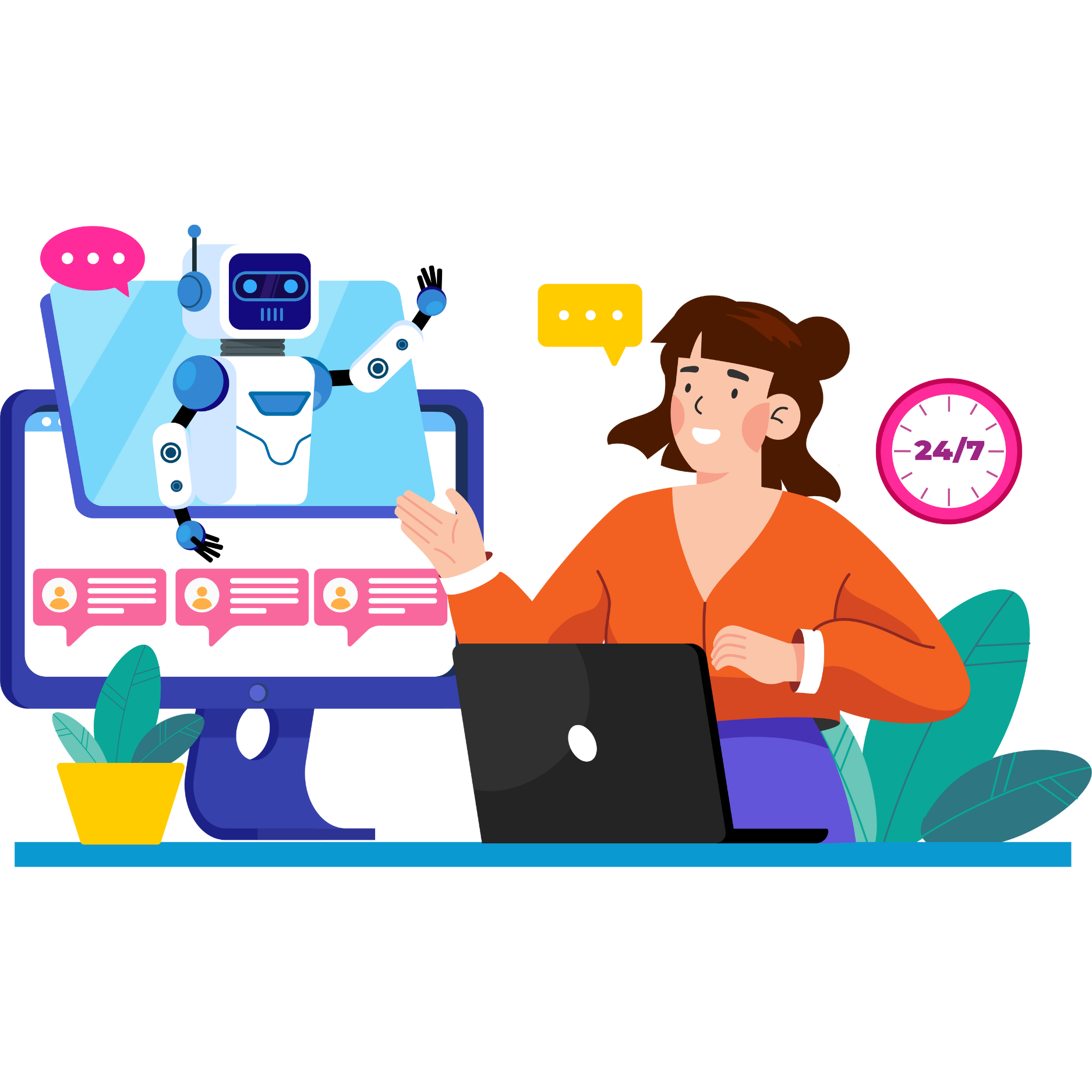
- Increased Access and Engagement: AI tools are available 24/7, breaking down geographical and temporal barriers. This leads to higher engagement rates for individuals who might hesitate to seek traditional therapy.
- Symptom Reduction for Mild to Moderate Issues: Studies, including those referenced by the National Institute of Mental Health, show that AI guided interventions can significantly reduce symptoms of anxiety, depression, and stress, particularly when based on established CBT protocols.
- Improved Emotional Literacy: Regular interaction with an AI therapist can help users better identify, label, and understand their emotions, a core skill in emotional regulation.
- Consistency and Supplementation: AI provides unwavering consistency, offering practice between sessions with a human therapist. It can reinforce lessons and provide immediate support during crises.
However, critical review is essential. AI is not a replacement for human diagnosis or complex trauma care. Its effectiveness is highest for skill building, psychoeducation, and support for common mental health challenges.
How to Find Your Best Personal AI Therapist: A Practical Guide
Not all AI therapy platforms are created equal. Finding your optimal digital companion requires careful consideration. Think of it not as finding a bot, but as selecting a tool aligned with your therapeutic goals.
- Identify the Underlying Methodology: Look for platforms that disclose their therapeutic foundation (e.g., CBT, ACT, mindfulness). A transparent approach is a hallmark of quality.
- Prioritize Privacy and Data Security: Read the privacy policy. Ensure your conversations are encrypted and understand how your data is used. Your emotional data is deeply personal.
- Assess the Personalization Features: The best personal AI therapist will adapt to you. Does it remember your previous conversations? Can you set and track personal goals? Does it offer tailored exercises?
- Utilize Free Trials and Introductory Offers: Most reputable platforms offer an AI therapy free trial period. Use this time to test the interaction style, user interface, and see if you feel heard and understood. This is the most effective way to make an informed choice.
- Check for Human Oversight and Escalation Paths: Quality platforms have licensed professionals involved in their design and offer clear pathways to connect with human therapists if needed. You can often find therapists near you through integrated directories.
The Strategic Role of a Free AI Therapist in Your Mental Health Journey
Viewing a free AI therapist as an "endpoint" misses its greatest potential. Instead, consider it a powerful tool within a broader ecosystem of wellness.
It is an ideal starting point for the curious or hesitant. The zero cost and anonymity allow you to explore your thoughts without commitment. It serves as a daily mental health "gym," where you can practice reframing thoughts or mindfulness exercises consistently. Furthermore, it can be a crucial supplement to traditional therapy, helping to maintain progress between sessions. For those seeking additional resources, our platform offers various therapy games and wellness tools designed to build resilience and emotional skills in engaging ways.
Critical Considerations and the Path Forward
As we navigate this frontier, caution must accompany optimism. AI lacks genuine human empathy, intuition, and the ability to manage complex comorbid conditions. It should not be used for severe psychiatric crises, for which immediate human intervention is necessary (resources like Mental Health America or the 988 Suicide & Crisis Lifeline are vital). The future lies in a hybrid model, where AI handles scalability, skill practice, and initial triage, freeing human therapists to focus on deep, relational, and complex therapeutic work.
Ready to Start Your Mental Health Journey?
Whether you're looking for immediate support or long-term guidance, Wellzy is here to help. Try our free AI therapist for instant support, find a licensed therapist near you, or explore our mental health blog for more insights and resources. Your mental wellness matters, and we're here to support you every step of the way.
Frequently Asked Questions About AI Therapy
Is AI therapy free really effective?
For mild to moderate anxiety, stress, and depression, evidence supports its effectiveness for building coping skills and providing support. It is most effective as a supplement or entry point, not a sole solution for severe conditions.
How do I choose the best personal AI therapist?
Look for transparency in therapeutic approach, strong privacy standards, personalization features, and the option for human escalation. Always start with a free trial to assess the fit for you.
Will my data be private with a free AI therapist?
This varies by platform. You must read the privacy policy before sharing sensitive information. Reputable services use encryption and have clear data usage policies.
Can AI therapy replace my human therapist?
No. AI is a tool, not a replacement. The therapeutic alliance with a human is irreplaceable for deep, nuanced, and relational healing. AI is best used to enhance and support that journey.
Conclusion: Embracing a Measured, Integrated Approach
The emergence of psychologists online AI represents a significant shift toward more accessible, data informed mental health support. By critically examining outcomes and strategically using tools like an AI therapy free trial, individuals can make empowered choices. The goal is not to find a perfect artificial intelligence, but to find the best personal AI therapist tool that integrates seamlessly into your life, complementing human connection and professional care. Whether you begin by choosing to try our free AI therapist or by researching more on platforms like Psychology Today, the first step into this new frontier is one of informed curiosity. Start your mental health journey today by exploring these innovative tools, and continue to explore our mental health blog for more insights on navigating wellness in the digital age.